
Fabric Sourcing Archives - Square Corporation
textile mills in punjab square textile company square manufacturing company textile manufacturer

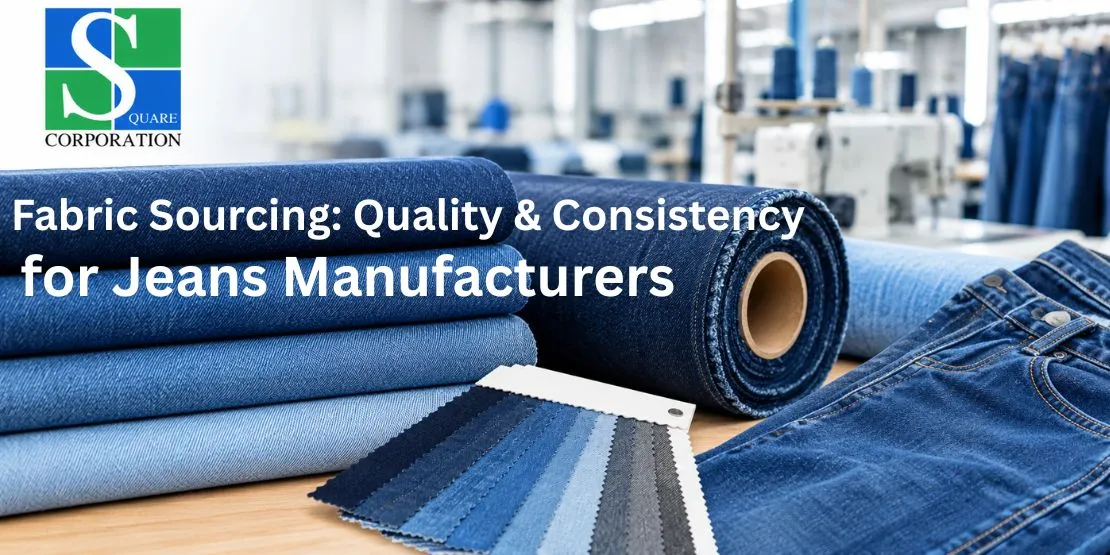
Fabric Sourcing: Quality & Consistency for Jeans Manufacturers

Denim has a legacy and attractive charm that you cannot deny. It can be rugged, yet it delivers comfortable, timeless style and fashionable trends through innovation. However, behind a great pair of jeans, consistent, quality denim fabric matters. For jeans manufacturers, fabric sourcing is much more than finding an attractive shade of indigo.

The right denim fabric must meet the garment’s design requirements and deliver great performance. That’s why thoughtful denim fabric sourcing from top sustainable fabric suppliers in India matters. Understanding key fabric quality, carefully evaluating suppliers, and analyzing fabric consistency before bulk production help keep the supply chain running smoothly.

Now let’s explore this blog to ascertain why denim fabric sourcing matters to maintain quality and consistency for jeans manufacturers.

Why Denim Fabric Sourcing Matters for Quality & Consistency

If jeans manufacturers want to know why denim fabric sourcing matters a lot for quality and consistency, this section can clarify the matter,

Start with the right denim fabric specification

Before requesting bulk quotations, manufacturers should discuss what they actually need. A clear specification helps jeans manufacturers choose the right fabric. Fabric weight influences the fabric’s feel, drape, and structure for different garments. Traditional denim is commonly made from cotton, while stretch denim may incorporate elastane or other fibers.

Look beyond appearance when evaluating denim quality

A beautiful denim sample can grab a manufacturer’s attention; however, appearance alone isn’t enough to make a denim fabric suitable for commercial production. For stretch denim, evaluate how well the fabric returns to its original dimensions after being extended. Assess tensile strength, tear resistance, and abrasion performance based on the garment’s intended use.

Why shrinkage testing is vital

A jeans manufacturer can develop a new slim-fit jean collection, but after washing, the finished jeans may shrink more than expected. In that case, the fit no longer matches the approved sample, creating major complications. That’s why shrinkage needs to be evaluated early.

Denim can change dimensionally during relaxation, garment washing, drying, and other finalizing processes. The extent of change depends on the fabric construction, fiber composition, and processing conditions.

Maintain color consistency in every production

Color is one of the most recognizable features of denim jeans. From deep indigo and washed blue to charcoal, black, and vintage-inspired shades, the intended color drives denim production. Differences in dyeing conditions, finishing, fabric lots, and washing treatment can create visible variations in denim production.

Achieve batch-to-batch denim consistency

For reputed jeans brands, color consistency is more important than receiving top-notch fabric. The same jeans may need to be manufactured repeatedly over several months, and buyers expect it to retain its defining features. A reliable denim sourcing process mainly focuses on maintaining complete fabric specifications, including fabric composition, weight, color, and width.

Choose a denim fabric supplier based on more than price

Price is not always the most important factor when sourcing textiles. However, choosing a trusted denim supplier, or one of the biggest textile exporters in India, is a vital consideration alongside price.

A dependable supplier should be able to discuss the fabric’s intended use, provide samples, and clearly explain how it will manage quality concerns. For international buyers, proper communication, export documentation, shipping coordination, and packaging matter a lot.

Conclusion

Finding the right denim fabric is the most important step toward producing branded jeans that meet brand expectations. If you are searching for a reliable fabric for your jeans manufacturing business, Square Corporation can fulfill your requirements. Explore our portfolio online and contact our team to discuss your requirements.

Common Fabric Sourcing Mistakes That You Need to Avoid

Sourcing fabrics is highly instrumental to product development for both fashion designers and textile businesses. Fabrics are important in terms of aesthetics and quality. However, sourcing can be very complicated, with a number of suppliers to sort through and various technical specifications to consider. Far too many emerging brands make costly mistakes by failing to test fabrics properly, research the reliability of suppliers, or prioritize price over quality-all too often resulting in delay times and dissatisfied customers. The key to success is a strategic approach to wholesale fabric suppliers in India.

Mastering strategic fabric sourcing is an imperative strategy that can enable success in today’s competitive market. It provides the leeway to optimize production by avoiding common pitfalls, while maintaining consistency and enhancing a business’s relationship with its suppliers. Sourcing involves lining up quality, sustainability, and practicality for a brand’s vision, aside from finding the fabric. A thoughtful approach to fabric sourcing will make your products stand out positively.

Various Common Fabric Sourcing Mistakes You Should Be Aware Of

Selection of the right fabric forms the key to the success of any garment or textile item regarding aspects like comfort, quality, cost, and market value. Several common mistakes are made by start-up businesses in sourcing fabrics, leading to delays in production and financial losses. Avoidance of such mistakes would result in smoother operations, better quality control, and good relations with the suppliers.

Not defining the fabric requirements precisely

The critical thing here is to develop tight specifications so you get the right fabric for your product. Decide beforehand what the most important fabric properties are to you, including fiber type, grams per square meter weight, stretch, durability, colourfastness, and end-use, amongst other factors. Convey the exact specification so that mismatches and unsuitable fabrics are minimal in number; ensure only quality and great performance for your final product. Remember this fact when you plan on buying fabric from one of the best linen fabric manufacturers in India.

Price being the only aspect they are concerned with

Low-budget fabrics might look very attractive at first sight, but most of them compromise on durability, comfort, and even sustainability. You need to balance cost with quality for long-term performance. The best thing is to get fair pricing, not necessarily the lowest pricing. This way, you can reduce the chances of expensive returns and customer complaints due to low-quality material. A thoughtful choice gets a better result on every front.

Ignoring lead times and delays in supply chains

Long lead times can be disruptive, whether in production or product launches. Check out your suppliers before you place an order. See how quickly they ship, how much you can actually count on them, and what their delivery times look like in real life, not just on paper. Build in some extra time for yourself so you’re not scrambling at the last second. This way, you get your goods on time and avoid unnecessary stress.

Ignoring shrinkage-related fabric-care specifications

Certain fabrics may shrink, stretch, or change texture after a wash. The changes in fabric will affect the fit as well as the appearance of the garment. Care properties such as wash, iron, and dry must be thoroughly tested so any adaptations can be made in your pattern or production in order to maintain the shape, size, and finish of fabrics even in consumer use.

Overlooking fabric availability and consistency

Note that some fabrics may be discontinued, or there may be a difference from one production batch to another. You do need to discuss long-term availability and batch-to-batch consistency with your suppliers. Where possible, negotiate a contract or reservation of fabric for future runs, so you can ensure product consistency and minimize resourcing challenges considerably.

Conclusion

When you’re sourcing fabric, it’s just as important to know what mistakes to avoid as it is to find the right materials. Start by getting clear on exactly what you need. Test the fabrics, check out your suppliers, and keep sustainability in mind. That’s how you make choices that really save time, money, and hassle. Good sourcing isn’t just about picking fabric off a shelf. It’s about working with people you trust, making sure the quality stays solid, and choosing materials that actually fit your brand’s vision and values.