


Cotton Materials
How to Develop Cotton Materials for Sensitive-Skin Clothing Lines
25 October 2026 | By admin
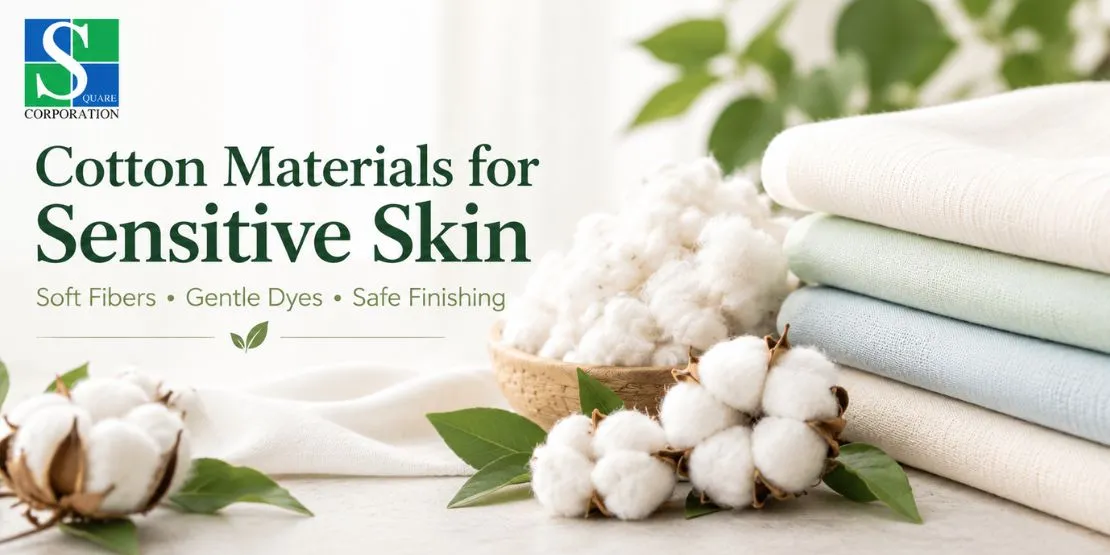
The skin knows a different language from that known by most types of clothes. Skin reacts to dye, finish, and even texture with rashes and itchiness. The sensitive-skin range must deliver gentleness and purity. The type of fabric used is far more important than design or color. Organic cotton manufacturers in India offer the pure foundation that these clothes require.
Creating a product that caters to sensitive skin involves more than just finding soft fabric. It begins with the cultivation of cotton, its cleaning, and finishing process. All toxic dyes and treatments need to be stripped away during these processes. The weave of the fabric must not irritate the skin. It is important that testing of the residues and the pH level take place. Certification will serve as additional proof that your claims are true.
Various Ways to Develop Cotton Materials for Sensitive Skin
The production of cotton products for sensitive skin requires the selection of comfortable, porous, and hypoallergenic raw materials and environmentally friendly production processes. The application of soft dyes and safety testing enables the production of reliable products.
Choose soft cotton fibers for sensitive skin
In the first stage, you should use cotton fibers that are smooth to the touch. The use of long-staple cotton is one way to achieve this because its long fibers produce smoother, stronger yarns.
Work with reliable textile suppliers
Choosing the proper supplier will make all the difference in the overall quality of your clothing line. Experienced textile suppliers in India can help you source cotton fabrics, compare yarns, and select materials for different skin conditions. Choose suppliers who are forthcoming with information such as the type of fiber used, the weight of the fabric, the dyeing process, and the finishing process.
Select gentle dyes for cotton clothing
It should be noted that the dyes used in cotton fabrics affect their suitability for people with sensitive skin. There are people who are allergic to certain dyes or chemicals used in fabric processing. Ensure that the suppliers of your raw materials use a controlled dyeing process and are able to provide information regarding the chemicals used. Use clear colors if they match your design specifications.
Choose the right cotton fabric weave
The weaving or knitting method applied in making cotton fabrics influences the final appearance of the product. Loose and soft construction can be airy, and tight construction ensures good shape and longevity. Jersey is a common choice to create T-shirts due to its stretching properties. Poplin suits shirts, and soft flannel can be appropriate for cold seasons.
Test cotton fabrics before bulk production
A fabric sample cannot be used to create a new fashion range. The testing process will allow you to see how your fabric behaves under normal circumstances. You need to test for softness, durability, shrinkage, color fastness, and pilling. Pilling happens when small balls of fibers form on the fabric surface.
Wash cotton samples to check lasting softness
Some changes can occur in cotton after washing. Some fabrics may shrink, become coarse, and even lose their shape. This is why a washing test needs to be included in the design process. Wash samples in accordance with the instructions that will be provided to your customers.
Conclusion
Making clothes that can be worn by people with sensitive skin requires more than just picking soft cotton fabrics. There are many other things to think about.
 Previous Post

Recent Posts

Why is Cotton Preferable in Today’s Thermal Fabrics?
How to Reduce Fabric Wastage in Cotton Garment...

Fabric Sourcing: Quality & Consistency for Jeans Manufacturers

Why Pre-Shipment Inspections Are Vital for Quality Assurance...