

Denim Fabric Supplier
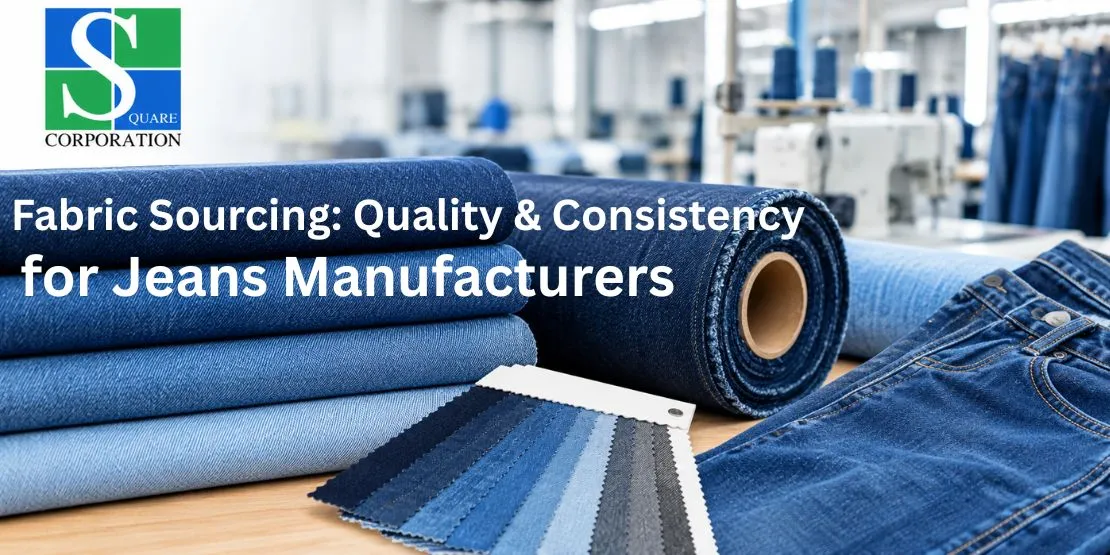
Fabric Sourcing: Quality & Consistency for Jeans Manufacturers
10 October 2026 | By admin
Denim has a legacy and attractive charm that you cannot deny. It can be rugged, yet it delivers comfortable, timeless style and fashionable trends through innovation. However, behind a great pair of jeans, consistent, quality denim fabric matters. For jeans manufacturers, fabric sourcing is much more than finding an attractive shade of indigo.
The right denim fabric must meet the garment’s design requirements and deliver great performance. That’s why thoughtful denim fabric sourcing from top sustainable fabric suppliers in India matters. Understanding key fabric quality, carefully evaluating suppliers, and analyzing fabric consistency before bulk production help keep the supply chain running smoothly.
Now let’s explore this blog to ascertain why denim fabric sourcing matters to maintain quality and consistency for jeans manufacturers.
Why Denim Fabric Sourcing Matters for Quality & Consistency
If jeans manufacturers want to know why denim fabric sourcing matters a lot for quality and consistency, this section can clarify the matter,
Start with the right denim fabric specification
Before requesting bulk quotations, manufacturers should discuss what they actually need. A clear specification helps jeans manufacturers choose the right fabric. Fabric weight influences the fabric’s feel, drape, and structure for different garments. Traditional denim is commonly made from cotton, while stretch denim may incorporate elastane or other fibers.
Look beyond appearance when evaluating denim quality
A beautiful denim sample can grab a manufacturer’s attention; however, appearance alone isn’t enough to make a denim fabric suitable for commercial production. For stretch denim, evaluate how well the fabric returns to its original dimensions after being extended. Assess tensile strength, tear resistance, and abrasion performance based on the garment’s intended use.
Why shrinkage testing is vital
A jeans manufacturer can develop a new slim-fit jean collection, but after washing, the finished jeans may shrink more than expected. In that case, the fit no longer matches the approved sample, creating major complications. That’s why shrinkage needs to be evaluated early.
Denim can change dimensionally during relaxation, garment washing, drying, and other finalizing processes. The extent of change depends on the fabric construction, fiber composition, and processing conditions.
Maintain color consistency in every production
Color is one of the most recognizable features of denim jeans. From deep indigo and washed blue to charcoal, black, and vintage-inspired shades, the intended color drives denim production. Differences in dyeing conditions, finishing, fabric lots, and washing treatment can create visible variations in denim production.
Achieve batch-to-batch denim consistency
For reputed jeans brands, color consistency is more important than receiving top-notch fabric. The same jeans may need to be manufactured repeatedly over several months, and buyers expect it to retain its defining features. A reliable denim sourcing process mainly focuses on maintaining complete fabric specifications, including fabric composition, weight, color, and width.
Choose a denim fabric supplier based on more than price
Price is not always the most important factor when sourcing textiles. However, choosing a trusted denim supplier, or one of the biggest textile exporters in India, is a vital consideration alongside price.
A dependable supplier should be able to discuss the fabric’s intended use, provide samples, and clearly explain how it will manage quality concerns. For international buyers, proper communication, export documentation, shipping coordination, and packaging matter a lot.
Conclusion
Finding the right denim fabric is the most important step toward producing branded jeans that meet brand expectations. If you are searching for a reliable fabric for your jeans manufacturing business, Square Corporation can fulfill your requirements. Explore our portfolio online and contact our team to discuss your requirements.
 Previous Post

Recent Posts
Why Pre-Shipment Inspections Are Vital for Quality Assurance...
Organic Fabric for Babywear: What Textile Manufacturers Should...
Why Traceability Is Becoming Essential for Organic Fabric...
Moisture-Wicking Yarn: Improving Comfort in Sportswear