
Uncategorized Archives - Square Corporation
textile mills in punjab square textile company square manufacturing company textile manufacturer

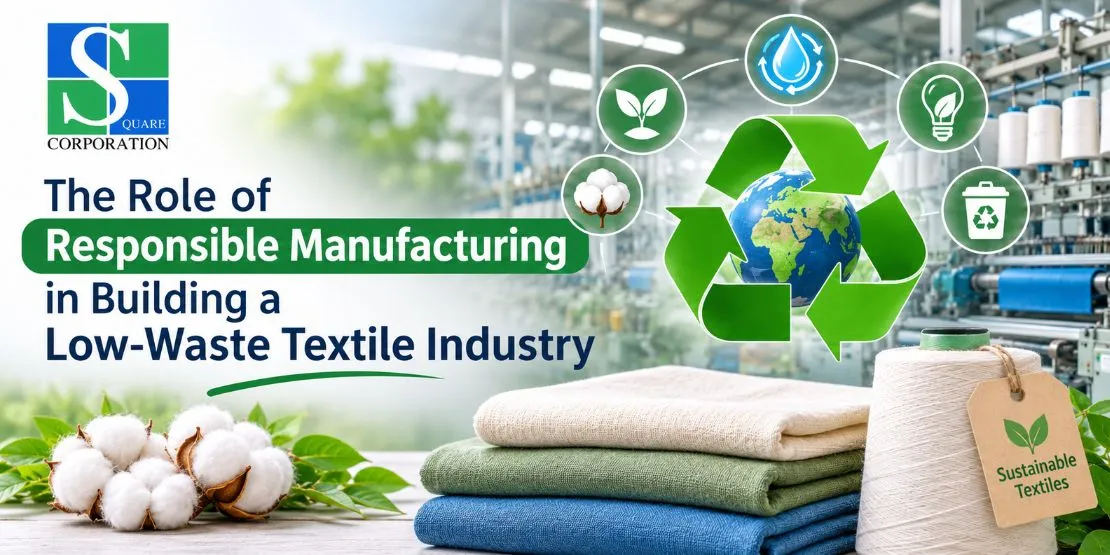
The Role of Responsible Manufacturing in Building a Low-Waste Textile Industry

Each yard of fabric produced in a textile factory has its own unique story, but in most cases, that story ends at a dumpsite. Environmental manufacturing arises when the creation of waste is regarded as a design challenge and can therefore be overcome through improved manufacturing techniques. Each step in the manufacturing process offers an opportunity for reduction of waste. Organic cotton manufacturers in India have shown that environmental manufacturing and commercial success can co-exist.

Responsible manufacturing spans the whole supply chain. Precise cutting will save on waste, but the scrap collection process will ensure that scraps get used to make recycled materials. Water and dye recovery systems minimize the need for chemicals, but energy-efficient machinery cuts down on emissions. Waste reduction is built into the design process. The overall process may be costly in planning and investment, but it leads to a more efficient textile industry.

Various Roles of Responsible Manufacturing in Building a Low-Waste Textile Industry

Proper manufacturing can be helpful in saving textiles and preserving natural resources. It can be helpful to ensure ethical manufacturing practices. The textile industry can make quality products through proper decisions.

Choose sustainable raw materials for textile production

Textile production requires the right choice of materials. The use of organic or recycled materials would help limit the impact of this industry on nature. Some examples of raw materials used are organic cotton, recycled polyester, linen, and hemp.

Work with responsible textile suppliers

A low-waste textile industry is not dependent on factories alone but also on those who provide the raw materials used. Manufacturers can benefit from working with responsible textile suppliers in India to get quality materials. Choose suppliers who provide full information about their products and follow safe manufacturing practices.

Use water-efficient methods

Water has an important part to play in the process of making textiles. Water is needed for washing, dyeing, printing, and finishing the fabric. Traditional methods may consume plenty of water, which may be difficult for local water sources. The right manufacturer may install water-efficient machinery and recycle water whenever possible.

Improve energy efficiency in textile factories

Energy is consumed in textile factories for machinery, heating, lighting, drying, and other processes involved in manufacturing. High energy consumption develops to high operational costs and pollution. Energy efficiency can be increased through the use of modern machinery, energy-efficient lighting such as LEDs, and efficient heating methods.

Reduce packaging waste

The third source of waste in textiles could be the packaging of goods. Often, the plastic film, excessive packaging, and other non-reusable items end up in garbage. Companies could use recyclable cardboard packaging or reusable packaging, as well as use less packaging that is required for particular products.

Train workers in responsible manufacturing practices

The employees also contribute significantly to the reduction of waste in textiles. The most sophisticated equipment will not help much if the people using it are not trained. They need to know how to manage the material, machine, waste, water, and energy.

Track waste and set clear sustainability goals

You cannot improve something if you do not know how to measure it. Textile producers should monitor the amount of cloth, water, energy, and packaging used in the production process. This data allows one to see where wastage is the greatest. For example, one company may waste a lot of fabric in the cutting process.

Conclusion

Responsible manufacturing is one key aspect that will help create a zero-waste fashion industry. Apart from using eco-friendly fabrics, responsible manufacturing involves reducing the amount of water used, conserving energy, recycling waste, producing quality products, and ensuring fair treatment for laborers. Each stakeholder in the whole chain of operation has a significant role to play in ensuring that the production process of textile products is sustainable.
The Advantages of Choosing Hemp Fabric for Your Wardrobe

Creating an evergreen wardrobe is not only about following fashion trends these days. An increasing number of people care about the production process of their clothing and what it is made of. One of the reasons for that could be the growing popularity of hemp. It is all about reliability, comfort, sustainability, and no need to sacrifice style in the process. At the same time, many designers and fashion brands turn to sustainable fabric suppliers in India to get reliable hemp fabrics.

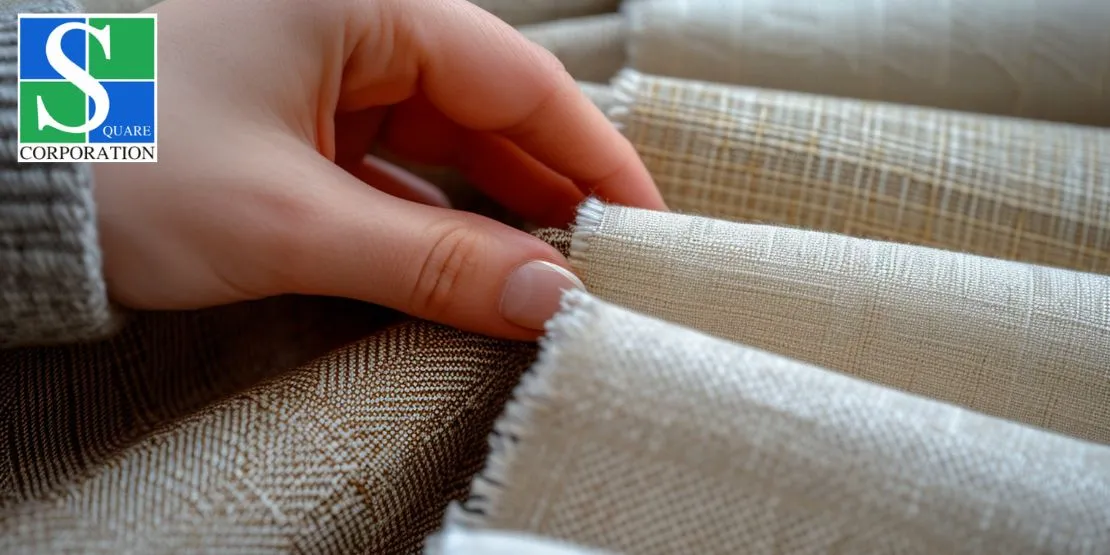
Hemp clothing is considered a durable material; however, the benefits of using it go beyond its durability. It becomes softer with use, breathes well in hot temperatures, and has great durability. One may compare it to that clothing item one loves wearing over and over again since it feels good and does not wear out. These common aspects are precisely the reason why hemp is now a sensible clothing material choice.

Various Advantages of Choosing Hemp Fabric for Your Wardrobe

Choosing an appropriate fabric impacts the appearance, feel, and lifespan of your clothes. Hemp fabric stands out because of its durability, softness, and sustainability, which make it a good material for your outfit.

Exceptionally durable

The most noticeable thing about clothes made of hemp fabric is their durability. Contrary to other types of fabrics that wear out quickly as soon as they are washed several times, the fibers of hemp fabric become soft yet durable. It means that one can use a shirt made of hemp fabric for several years.

Supports responsible fashion choices

An increasing number of consumers are becoming more concerned about the sources of their clothing and production processes. Most of the biggest textile exporters in India have started manufacturing sustainable fabrics, which is why hemp clothes are easily available now. Choosing hemp encourages continued investment in environmentally responsible textiles while giving you clothing that’s built to last.

Gets softer over time

Many clothes fade and lose their charm after several washes. But hemp fabric is different. Think of your favorite T-shirt that becomes softer and cozier over the years; that’s how hemp works. Every time you wash it, the fibers become more pleasurable to wear and more durable. Rather than breaking down, the material becomes more comfortable, thus making it your constant companion.

Gentle on sensitive skin

Individuals who have sensitive skin are known to have difficulty wearing synthetic fibers. This is because these types of fabric tend to trap heat and make one feel uncomfortable and irritated. The reason why hemp fabric is natural and comfortable to use is that it feels natural. Hemp fabric does not feel fake like synthetics do; therefore, it would be more comfortable to use for someone who wants to feel relaxed. One benefit that many individuals feel after changing into hemp is that they can do what they want during the day comfortably.

Eco-friendly from start to finish

Hemp is the most sustainable fabric crop there is. It requires far fewer resources than normal cotton does in terms of water consumption, which makes it a sustainable choice for the production of fabric. Hemp is fast-growing and requires very few pesticides; therefore, it can be grown sustainably. When you purchase hemp clothing, you buy something more than clothing; you buy a whole philosophy regarding the production of clothing, and this philosophy includes care about the environment.

Conclusion

People do not use hemp clothing because it is fashionable. People recognize that it can solve their everyday issues. Hemp fabric is durable, breathable, comfortable, and also easy to take care of. Instead of replacing worn-out clothes every season, you end up building a wardrobe filled with pieces that improve over time. That’s a rare combination, and it’s one of the strongest reasons hemp continues to win over more people every year.