admin, Author at Square Corporation
textile mills in punjab square textile company square manufacturing company textile manufacturer

Breathable Fabrics Explained: Why Natural Fibers Are in Demand

Have you ever noticed how some clothes feel lighter the moment you put them on? It is not always about the design or the fit. Sometimes, the real comfort comes from the fabric itself. We all know that fashion trends keep changing every season, but comfort never goes out of style. Today, more people are paying attention to what their clothes consist of. This is one of the biggest reasons why natural fibers are making a strong comeback. Do you know where the journey of a comfortable cotton fabric truly begins? It starts with reputable cotton yarn exporters who source carefully selected cotton and deliver quality yarn that ensures soft, breathable, and durable textiles.

In this blog, we will discuss why breathable fabrics matter, how natural fibers improve everyday comfort, and why they continue to be the preferred choice for people across the world.

What Makes a Fabric Breathable?

A breathable fabric enables air to circulate freely while helping moisture escape from the body. This process keeps the wearer cool, fresh, and comfortable even during long hours of use.

Many of us are not aware that breathable fabrics also help regulate body temperature. Instead of trapping heat, they allow excess warmth to move out, making them ideal for both hot summers and humid climates.

Why are Natural Fabrics Becoming More Popular?

Natural fibers like cotton, linen, hemp, bamboo, and wool are gaining popularity for several reasons. Unlike many synthetic materials, they allow better airflow, absorb moisture effectively, and offer exceptional comfort throughout the day. Do you know that cotton can absorb a considerable amount of moisture without feeling damp? Similarly, linen dries quickly and promotes excellent ventilation, making it a preferred fabric for warm and humid climates. As people become more conscious about comfort and sustainability, the demand for natural fabrics continues to grow. The key reasons behind their increasing popularity include the following:

Comfort That Lasts Throughout the Day

Breathable natural fibers reduce sweat build-up, keep the body cool, and prevent clothes from sticking to the skin. Whether you are at work, traveling, or spending time outdoors, these fabrics can provide lasting comfort.

Skin-Friendly Properties

Another very significant advantage of breathable natural fabrics is their skin-friendly properties. Their soft and gentle texture makes them suitable for children, older adults, and people with sensitive skin. Natural fibers help minimize irritation and provide a pleasant wearing experience.

Excellent Moisture Management

Fabrics like cotton efficiently absorb moisture, while linen dries quickly. This combination keeps the body feeling fresh even in hot, humid weather.

A Better Choice for the Environment

Most natural fibers are biodegradable and renewable. Compared to petroleum-based synthetic fabrics, they have a lower environmental impact and support more sustainable textile production.

Growing Consumer Preference for Sustainability

As awareness about eco-friendly living increases, consumers are choosing fabrics that combine comfort with environmental responsibility. This shift has encouraged textile manufacturers to invest in sustainable fiber production and responsible manufacturing practices.

The Future of Breathable Textiles

Innovation is making natural fabrics even better. How? Modern textile technologies now improve wrinkle resistance, durability, and softness without compromising breathability. This perfect balance of comfort, performance, and sustainability is shaping the future of the global textile industry.

Consumers today want fabrics that feel good, last longer, and support environmentally responsible choices. Natural fibers successfully meet all these expectations.

The Conclusion

Breathable fabrics are no longer just a seasonal preference; they have become an essential part of modern living. Their ability to provide comfort, improve airflow, manage moisture, and support sustainable fashion makes natural fibers more relevant than ever. As consumer expectations continue to evolve, businesses also need dependable partners who understand quality, innovation, and responsible textile solutions.

Are you looking for premium textile products backed by industry expertise and uncompromising quality? Then Square Corp, a leading textile exporter in India, is the name you can trust. Discover advanced textile solutions designed for performance, comfort, and sustainability with Square Corp, and experience the difference that superior fabrics can make.

Why Export-Quality Yarn Is the Foundation of High-Performance Fabrics

The textile industry is one of the fastest-growing industrial sectors, experiencing rapid transformation in manufacturing processes and material use. Whether it is apparel, home textiles, or technical fabrics, your customers always want products that combine comfort, durability, consistency, and premium aesthetics.

Advanced machinery and skilled craftsmanship can play a major role; the journey towards using exceptional, export-quality fabric manufacturing processes starts with top-notch quality yarn. Choosing a yarn merchant exporters in India can increase the likelihood of obtaining reliable, high-quality yarn for premium-quality yarn manufacturing. The quality of yarn can determine the performance, appearance, and longevity of the finished fabrics.

If you are a textile manufacturer, you must read this blog to understand why export-quality yarn is the foundation of high-performance fabrics.

What Do You Mean by Export Quality Yarn?

Export-quality yarn refers to yarn manufactured under a strict quality control process that meets international textile standards. A trusted export quality yarn is mainly famous for several factors such as-

  • Superior strength
  • Excellent uniformity
  • Better absorption capacity
  • Smooth processing
  • High durability

A textile manufacturer that supplies products globally understands that every small variation in yarn quality can affect the quality of the final product. That which exports quality yarn undergoes multiple tests throughout the manufacturing process and delivers superior performance for higher-quality fabrics.

The Connection between Yarn and High-Performance Fabrics

In this section, we will discuss the connection between yarn and high-performance fabrics.

Superior fabric strength

Strong yarn produces durable fabrics. Uniform fiber distribution and an organized spinning process can improve tensile strength and make the fabrics more resistant to stretching and tearing. Superior yarn strength is mainly useful for making fabric for denim, workwear, sportswear, and home furnishings.

Better fabric appearance

Consumers can easily recognize premium-quality fabric through their expertise. When textile manufacturers use premium-quality yarn for fabric manufacturing, it can offer a smooth texture, an even surface, a uniform construction, better drape, and greater softness. Whether for luxurious fashion or everyday use, proudly using high-quality yarn can do wonders.

Better dye absorption capacity

Uneven dyeing is one of the biggest challenges in textile manufacturing. Apparently, when yarn thickness varies, fabrics can absorb dyes inconsistently. It results in shade variation, patchy appearance, reprocessing costs, and rejection from export. However, export-quality yarn can offer excellent uniformity and support fabric in absorbing color evenly for vibrant results.

Fewer production interruptions

Sometimes, machine downtime becomes expensive for textile manufacturers. Weak or poor-quality yarn often breaks down during spinning, knitting, or weaving. This situation results in production delays, increased labor costs, machine inefficiency, and reduced production output. Reliable yarn can ensure smoother machine performance, allowing manufacturers to maintain production schedules with greater confidence.

Enhance fabric durability

Smart consumers expect clothing and textiles to last longer. However, high-performance fabrics can withstand multiple wash cycles, daily wear and tear, friction, stretching, and environmental exposure. In such a case, export-quality yarn from a trusted textile exporter in Ludhiana can enhance fabric strength and longevity, helping clothing brands build a stronger market reputation for higher-quality fabric.

Conclusion

If textile manufacturing units want to expand their global market presence, it is vital to ensure top-notch fabric sourced from reliable yarn suppliers. At Square Corporation, you can get high-quality yarn that serves as the foundation for producing export-quality fabric that garment manufacturing brands actually need. You can contact us to get high-quality yarn, which is essential for producing top-grade fabrics.

Why Prioritizing Fabric Quality is Vital for Fashion Enthusiasts

Fashion does not start when clothes end up on the runway or in your wardrobe; fashion starts with the material. In the same way that having a good base will make a house look beautiful, quality materials will decide how your clothes will look and last. Here, consumers and designers who prioritize fashion will choose quality materials in order to ensure durability and comfort. This is the reason why there is an increasing need for Supima cotton suppliers in India.

Each stitch has its own story, but it is the cloth that ensures that the story is never forgotten. Textiles of high quality can withstand wear and tear, retain their form, and provide added comfort. Fashionistas are fond of such textiles because they are able to combine both beauty and durability. With an increase in sustainability becoming a priority for many consumers, the choice of high-quality textiles has become a good choice indeed.

Various Reasons for Prioritizing Fabric Quality are Vital for Fashion Enthusiasts

Fashion must go beyond just good-looking clothes; it should start with great fabrics. Great fabrics will make the clothing more comfortable and durable. This is key to ensuring that all fashion decisions are elegant and long-lasting.

Better comfort throughout the day

When you put on an outfit, what will be the first thing that comes to mind? Most certainly, it would be the feel of the garment against your skin. It does not matter whether it is a nicely tailored cotton shirt or a comfortable linen dress; the feel remains good throughout the day. Take into consideration your favorite T-shirt.

Supports better craftsmanship

Clothing companies that have an eye for choosing better materials are likely to pay more attention to their sewing as well. There are many textile trading companies in India that offer high-quality fabrics, enabling the brands to manufacture better-sewn, more finely finished clothing products.

Colors stay rich and vibrant

There is nothing more frustrating than watching one’s favorite black T-shirt fade into a plain gray one after just a couple of washing cycles. Dyes hold onto high-quality materials better, and that allows them to preserve the vibrancy and clarity of the print. It keeps your clothing fresh and looking good, no matter how often it gets used. Your favorite clothes will look fantastic and give you that stylish look that you want when you wear them.

Breathability makes a huge difference

Good fabric works with your body instead of against it. The use of natural fiber means that there is improved air circulation, allowing you to feel cool even on hot days. That difference becomes obvious during long workdays or outdoor events when breathable clothing simply feels easier to wear.

Less pilling and surface damage

The tiny fuzzy balls that appear on low-quality sweaters can make a new piece of clothing look old and worn out in just a few weeks. The best quality fabric is one that does not pill, as its fibers hold together tightly due to the strength of the fibers. The strength of the fibers makes it possible for the fabric to always look clean and presentable, despite frequent use.

Conclusion

Although fashion styles change, fabric is definitely one of the wisest things that should be considered. Comfort, durability, looks, and even confidence that people have while wearing their clothes depend on the quality of the fabric used. People will not make a mistake if they choose clothes made of high-quality fabric, as they won’t regret such a purchase in the future. Good style is always associated with good fabric.

The Advantages of Choosing Hemp Fabric for Your Wardrobe

Creating an evergreen wardrobe is not only about following fashion trends these days. An increasing number of people care about the production process of their clothing and what it is made of. One of the reasons for that could be the growing popularity of hemp. It is all about reliability, comfort, sustainability, and no need to sacrifice style in the process. At the same time, many designers and fashion brands turn to sustainable fabric suppliers in India to get reliable hemp fabrics.

Hemp clothing is considered a durable material; however, the benefits of using it go beyond its durability. It becomes softer with use, breathes well in hot temperatures, and has great durability. One may compare it to that clothing item one loves wearing over and over again since it feels good and does not wear out. These common aspects are precisely the reason why hemp is now a sensible clothing material choice.

Various Advantages of Choosing Hemp Fabric for Your Wardrobe

Choosing an appropriate fabric impacts the appearance, feel, and lifespan of your clothes. Hemp fabric stands out because of its durability, softness, and sustainability, which make it a good material for your outfit.

Exceptionally durable

The most noticeable thing about clothes made of hemp fabric is their durability. Contrary to other types of fabrics that wear out quickly as soon as they are washed several times, the fibers of hemp fabric become soft yet durable. It means that one can use a shirt made of hemp fabric for several years.

Supports responsible fashion choices

An increasing number of consumers are becoming more concerned about the sources of their clothing and production processes. Most of the biggest textile exporters in India have started manufacturing sustainable fabrics, which is why hemp clothes are easily available now. Choosing hemp encourages continued investment in environmentally responsible textiles while giving you clothing that’s built to last.

Gets softer over time

Many clothes fade and lose their charm after several washes. But hemp fabric is different. Think of your favorite T-shirt that becomes softer and cozier over the years; that’s how hemp works. Every time you wash it, the fibers become more pleasurable to wear and more durable. Rather than breaking down, the material becomes more comfortable, thus making it your constant companion.

Gentle on sensitive skin

Individuals who have sensitive skin are known to have difficulty wearing synthetic fibers. This is because these types of fabric tend to trap heat and make one feel uncomfortable and irritated. The reason why hemp fabric is natural and comfortable to use is that it feels natural. Hemp fabric does not feel fake like synthetics do; therefore, it would be more comfortable to use for someone who wants to feel relaxed. One benefit that many individuals feel after changing into hemp is that they can do what they want during the day comfortably.

Eco-friendly from start to finish

Hemp is the most sustainable fabric crop there is. It requires far fewer resources than normal cotton does in terms of water consumption, which makes it a sustainable choice for the production of fabric. Hemp is fast-growing and requires very few pesticides; therefore, it can be grown sustainably. When you purchase hemp clothing, you buy something more than clothing; you buy a whole philosophy regarding the production of clothing, and this philosophy includes care about the environment.

Conclusion

People do not use hemp clothing because it is fashionable. People recognize that it can solve their everyday issues. Hemp fabric is durable, breathable, comfortable, and also easy to take care of. Instead of replacing worn-out clothes every season, you end up building a wardrobe filled with pieces that improve over time. That’s a rare combination, and it’s one of the strongest reasons hemp continues to win over more people every year.

What Makes Choosing Organic Fabric a Great Choice?

Fashion is an exclusively critical turning point. Consumers, before making the final purchase, prefer to ask questions about the origin, materials used for manufacturing, and many other things.

Today, sustainable textiles are one such option that hardly anyone can ignore. From the type of fiber used to the finishing touch, its future is on its way to get re-woven thread to thread.

Approaching one of the reliable, sustainable textile exporters in India may lead to coming across superb quality organic fibers. In terms of upgradation in terms of quality and comfort, these fibers are no longer a compromise.

What does Sustainable Textile refer to?

Today, sustainable textiles are no longer just a trend. These refer to materials sourced through methods that not only protect people but also the ecosystem and natural resources.

These textiles come from natural and recycled origins that are free of toxic chemicals. Unlike conventional textiles, these fabrics are designed with a full lifecycle in mind, from crop to compost.

As they are grown without the use of pesticides or chlorine, they are built for outlasting highly conventional alternatives. By using less water, skipping synthetic chemicals, and generating less waste, these sustainable textiles cut pollution at almost every stage of production.

Is there Any Comfort Associated with Organic Fabrics?

Unlike synthetic fibers, natural, sustainable, organic textiles are considered to be among the exclusive choices. Even after undergoing several washes, they continue with their softness without losing their actual structural strength.

These dresses not only drape smoothly against the skin, but also help in regulating body temperature naturally. They not only breathe freely, but also hold their shape over time. These fabrics are not only meant for first initial outings, but also for real wear.

How do organic fabrics support ethical fashion and the environment?

Almost every yard of sustainable textiles from where you make your purchase supports a long, clean, and equitable supply chain. The overall process permits keeping the skills of artisans alive, rewarding responsible farming, and contributes to an industry that values people plus product.

In terms of environmental benefits, the list is unending. Some fo the most exclusive advantages that organic fabrics provide are:

  • Low use of water
  • Sustainable use of land during fiber cultivation
  • Zero synthetic chemicals are used in farming and processing
  • Zero use of microplastic shedding
  • Low carbon output

For further confirmation, it will be a wise decision to look for certifications at the time of making a purchase for organic fabric. Those certifications include the following:

  • Fair Trade Certificate
  • Bluesign
  • GOTS
  • OEKO-TEX

These certifications ensure that the fabric you will choose will be free from almost all types of harmful substances.

Organic Fabric, the Future of the Fashion Industry

The shift towards organic textiles today is no longer a niche movement. Designers are rethinking material sourcing. Top yarn suppliers in India, including Square Corporation, have taken the initiative to provide the best organic fabric to customers by considering environmental safety.

The brand serves as a key platform that regulates textile waste and makes use of natural chemicals wisely.

Advantages of ELS Cotton: The Secret behind Premium Comfort

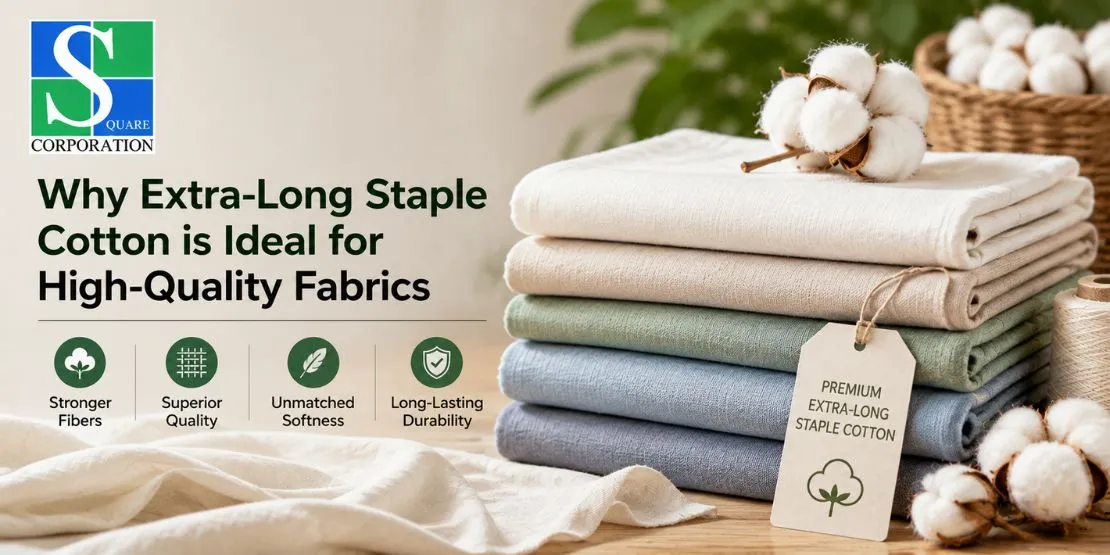
When it comes to luxury fabrics, not all cotton is created equal. The secret behind the world’s softest bedsheets, premium T-shirts, and high-end apparel often lies in one exceptional material: Extra-Long Staple (ELS) cotton or Supima cotton. Known for its unmatched softness, durability, and refined texture, ELS cotton has become the gold standard in premium textiles. Today, many leading Supima cotton suppliers in India are helping brands deliver world-class comfort and premium-quality textile products to modern consumers.

From luxury bedding brands to designer fashion labels, ELS cotton is highly valued for its superior fibre length and performance. But what exactly makes it so special? Let’s explore the remarkable advantages of ELS cotton and why it continues to redefine everyday comfort.

What Is ELS Cotton?

ELS cotton refers to cotton fibres that measure over 1.375 inches in length, significantly longer than conventional cotton fibres. These longer fibres produce finer, smoother, and stronger yarns, resulting in fabrics that feel incredibly soft while maintaining excellent durability. Popular varieties of ELS cotton include Supima, Pima, and Egyptian cotton.

Unlike regular cotton, ELS cotton has fewer exposed fibre ends, resulting in a cleaner, smoother fabric surface. This structural difference plays a vital role in both comfort and longevity.

Why ELS Cotton Is Worth the Investment

In a market filled with fast-fashion fabrics and low-grade textiles, ELS cotton remains a symbol of premium craftsmanship and everyday luxury. Whether you are choosing bedsheets, towels, or clothing, investing in ELS cotton means choosing comfort that lasts for years. Here’s the list of the most prominent advantages of using ELS cotton.

Exceptional Softness and Smoothness

One of the biggest advantages of ELS cotton is its luxurious softness. The long fibres allow manufacturers to spin finer yarns with fewer joins, resulting in fabrics that feel silky and gentle against the skin.

This is why ELS cotton is commonly used in premium bedsheets, towels, and high-end clothing. The fabric delivers a refined texture that becomes even softer over time with proper care. Unlike lower-grade cotton that may feel rough after repeated washing, ELS cotton retains its smooth touch for years.

Superior Durability

Many of us are unaware that softness alone does not define premium cotton. Beyond its luxurious feel, ELS cotton is highly valued for its exceptional strength and long-lasting durability. Because the fibres are longer and more uniform, the resulting yarn is more resilient and less prone to breakage.

This increased strength offers several long-term benefits, such as:

  • Reduced fabric tearing
  • Better shape retention
  • Less thinning over time
  • Improved resistance to everyday wear

Reduced Pilling and Fraying

Do you know that fabric pilling is one of the most common signs of low-quality cotton? Short fibres tend to loosen and tangle, forming unwanted fuzz balls on the surface. ELS cotton minimises this problem because its longer fibres remain tightly woven into the fabric.

As a result, garments and bedding made from ELS cotton maintain a cleaner, smoother appearance for much longer. This premium finish can enhance both comfort and visual appeal.

Better Colour Retention and Elegant Appearance

Another major benefit of ELS cotton is its ability to hold dyes more effectively. The smooth and uniform fibres absorb colour evenly, resulting in richer shades and improved colour retention. Additionally, fabrics made from ELS cotton often feature a subtle natural sheen that lends them a refined, luxurious appearance. This elegant finish makes ELS cotton products stand out in both fashion and home textiles.

Enhanced Breathability and Comfort

ELS cotton fabrics are highly breathable, making them ideal for warm climates and everyday wear. The fine yarn structure allows better airflow while efficiently absorbing moisture. This breathability helps regulate body temperature and prevents the sticky feeling often associated with synthetic fabrics. Whether used in shirts, sleepwear, or bedsheets, ELS cotton provides a cool and refreshing experience throughout the day.

The Conclusion

In summary, ELS cotton perfectly combines luxury, durability, softness, and breathability, making it an ideal choice for premium textiles worldwide. Its superior fibre quality ensures lasting comfort and an elegant feel that ordinary cotton cannot deliver. So, if you are looking to experience true fabric excellence, trust Square Corp for high-quality ELS cotton products crafted to elevate everyday comfort. Choose smarter, softer, and longer-lasting fabrics with Square Corp, one of the biggest textile exporters in India and redefine the way you experience luxury living.

Fabric Sourcing Challenges in 2026 and How Textile Companies Solve Them

Are you dealing with a textile business and facing the problem of getting the best quality fabric at a budget-friendly price? Are you becoming frustrated by fulfilling the need to consumer demand? Actually, these are the real scenarios of a textile business: finding raw materials at budget-friendly prices, managing supply chain disputes, providing textile materials in line with changing consumer demands, and beating market competition.

For garment manufacturers, textile companies, and textile brands, sourcing the right fabric is a major challenge in 2026. In such a challenging situation, finding the top fabric exporters in India can help the textile business access better-quality, innovative textures, and sustainable fabric options to easily beat global textile competition.

Now, let’s dive into this blog to understand the major fabric sourcing challenges in 2026 and how textile companies solve them strategically.

Fabric Sourcing Challenges Textile Companies Face in 2026

In this section, we will describe in detail the major fabric sourcing challenges that textile companies face in 2026.

Rising raw materials costs

One of the biggest concerns in the textile industry is the rising cost of raw materials such as cotton, polyester, viscose, and linen, as well as yarns. Do you want to know which factors affect raw material costs in the textile industry? Have a look at these points-

  • Global inflation
  • Climate-related crop issues
  • Sudden rise in energy costs
  • Transportation expenses

To solve this problem, leading textile companies are diversifying their fabric supplier networks and maintaining an uninterrupted fabric supply. Many businesses are also shifting toward sustainable fabric options to improve cost efficiency without compromising quality.

Disruption in the supply chain

An unstable global supply chain is another major problem for the textile industry. Delayed shipments, container shortages, and geopolitical issues can disrupt production timelines. In the fashion industry, which relies on seasonal production, a minor delay can cause a significant loss.

To beat this problem, smart textile businesses are finding flexible fabric sourcing, maintaining buffer inventory, partnering with reliable fabric manufacturers, and sourcing fabrics regionally whenever possible. When your textile business maintains a strong relationship with a fabric supplier, it reduces fabric sourcing risk and ensures on-time, smooth deliveries.

Growing demand for sustainable fabrics

Sustainability has become a major concern for the textile industry. Nowadays, consumers and global brands mainly prefer eco-friendly fabrics, ethical production practices, and transparent sourcing of raw materials. Most of the textile manufacturers are concerned about a few factors, such as:

  • Whether the fabric is sourced sustainably
  • Is the fabric manufacturing process environmentally friendly?
  • Whether fabric manufacturers use organic materials

All of the above factors seem to be major challenges for a textile manufacturing unit. To solve these problems, textile manufacturers focus on buying organic cotton fabrics, recycled textile materials, water-saving production processes, and sustainable fiber innovations. Textile manufacturing companies that prioritize sustainable textile sourcing attract global buyers and build strong brand value.

Changing fashion trends

As we all know, consumers’ tastes and preferences are changing rapidly in 2026. Today, most buyers expect superior fabric that offers comfort, performance, and sustainability. But due to significant challenges, textile manufacturing companies struggle a lot to keep up with changing fashion trends.

  • Changing seasonal fashion trends
  • Demand for lightweight fabric
  • Smart fabrics
  • Premium finishing quality

These challenges can act as an obstacle to the further development of textile companies. But successful textile companies always stay one step ahead by investing in deep research to identify genuine fabric sources, align with trending fashion, and focus on innovative garment production.

Safety compliance with international standards

Export-focused textile companies always adhere to strict international rules and regulations on chemical safety, worker safety, fabric testing standards, and sustainability certification. These factors are closely associated with sustainable fabric production and global standards.

For textile export companies in India, finding a trusted source of organic, sustainable fabric is a significant challenge. But professional textile manufacturing companies focus on sourcing genuine fabric, maintaining transparency in their fabric sourcing, and adhering to international quality standards.

Conclusion

Though sourcing genuine, certified fabric in 2026 is a significant challenge for textile businesses, with a systematic strategy, you can successfully adapt to changing fashion trends. At Square Corporation, you will get top-notch quality organic fabric that works great with the latest fashion trends and offers long-term value for global buyers.

From Recycled to Regenerative: The Future of Premium Eco-Friendly Fabrics

Do you think that in the 21st century, premium fabrics mean only recycled fabric? Most eco-conscious buyers prefer recycled fabric for environmental sustainability. But how do they identify premium-quality recycled fabric? Actually, premium-quality recycled fabrics are verified through their sustainable manufacturing processes. In this scenario, the textile industry can experience a drastic shift in premium-quality and eco-friendly fabric.

Earlier, premium-quality fabric was measured by cost and production scale, but now it is reshaped by innovation and long-term sustainability. This shift has marked a new beginning for the textile industry, moving from recycled to regenerative fabrics. Advanced textile manufacturers seek a trusted Ludhiana fabric supplier to deliver top-notch fabric and meet the needs of eco-conscious consumers.

Now let’s dive into this blog to understand the future of premium eco-friendly fabrics, from recycled to regenerative.

Understand the Shift from Sustainable to Regenerative Fabric

With the changing business scenario and customers’ choices and preferences, sustainability is no longer enough for the textile industry. Sustainable fabrics can reduce the release of harmful toxins, use less water and fewer chemicals, and maintain a clean manufacturing process. Whereas regenerative fabrics, which are a new form of recycled fabric, go one step further. It mainly focuses on restoring the fabric and improving the environment, indicating top-notch fabric quality.

Basically, recycled fabrics focus on reducing waste, sustainable fabrics minimize environmental impact, and regenerative fabrics actively restore ecosystems.

Why Regenerative Fabrics Are the Next Big Leap for the Textile Industry

Regenerative fabric has created a real transformation in the textile industry. It is entirely different from the traditional fabric manufacturing process, which focuses on restoring soil health, increasing biodiversity, and capturing carbon from the atmosphere. It indicates that regenerative fabric not only maintains sustainability but also gives back to Mother Nature.

Let’s discuss a few example that indicates the regenerative fabrics are beneficial for nature-

  1. Regenerative cotton farming improves soil fertility and maintains water retention.
  2. Hemp cultivation enriches soil and needs minimal resources. Hemp not only grows with minimal water but also provides nutrients to the soil, which makes it one of the most regenerative crops.
  3. Bio-based fibers return to the earth safely, maintaining soil integrity and biodiversity.

Future of Eco-Friendly Premium Fabric for the Textile Industry

Premium-quality, eco-friendly fabric, such as regenerative fabric, is highly essential to the textile industry, and top Indian textile exporters are seeking to use it to expand new business opportunities. Let’s discuss it in detail-

Future-proofing your textile business

Global demand for sustainable fabric is shifting towards responsible fabric sourcing. It helps textile brands adopt the most competitive fabric sources that meet consumer demand and deliver higher profit margins.

Enhance product value

Eco-friendly premium fabrics, such as regenerative materials, elevate perceived quality and help your business improve its position in the top-tier market.

Meeting compliance & global standards

Certifications and sustainable benchmarks are vital for the global textile market. When you plan to trade in the global textile business, you need sustainable fabric certification to acquire new customers.

Build trust with customers

Modern customers are very conscious about the products they use. They always focus on eco-friendly, sustainable, premium-quality fabrics that do not harm the environment. They never think about price, but they prioritize quality.

Conclusion

As the textile industry shifts from recycled to regenerative fabrics, it is now your turn to incorporate premium, eco-friendly fabrics into your business. At Square Corporation, you can get premium-quality regenerative fabric, which can be a great turning point for your textile business. You can get top-notch regenerative fabric at an affordable price from us to beat the competition in textiles.

How the Fashion Industry Contributes to Climate Change: A Comprehensive Analysis

The fashion industry is one of the fastest-growing industries in the world, but it has a devastating impact on our planet and worsens global warming issues. All stages of fashion, from the extraction of materials to production to waste management, cause the emission of greenhouse gases, pollution of water sources, and excessive use of natural resources. Although some attempts have been made at sustainability in material sourcing, for instance, working with organic cotton suppliers in India, the effects of the industry as a whole continue to be profound because of its need for extensive production and fast fashion.

The fashion industry is experiencing a crisis situation arising from overproduction and consumption, resulting in fabric waste, increased water usage, and greenhouse gas emissions along the supply chain. The use of synthetic fibers is another cause of ocean microplastics pollution. Circular fashion and sustainable production or consumption are some ways out of this crisis.

Various Ways the Fashion Industry Contributes to Climate Change

The fashion industry damages the environment. Its contribution to global warming results from the use of resources, emissions, and waste production. Knowledge of its negative impacts will help encourage sustainable dressing.

High carbon emissions from production

The production process for clothes involves the use of a lot of energy in operations such as spinning, weaving, dyeing, and finishing fabric materials. All these procedures need substantial amounts of energy, mostly derived from non-renewable sources such as fossil fuels, thus resulting in substantial emissions of greenhouse gases. The emission of such substances is harmful since they contribute to climate change and global warming.

Pollution from dyes and chemicals

Textile manufacturing and treatment require the use of many toxic substances. When these toxins are improperly handled, there is a possibility that they will find their way into rivers and other bodies of water. This causes environmental pollution and affects aquatic organisms. The lives of local communities relying on these resources for water are put at risk.

Microplastic pollution

Polyester and other synthetic fibers are damaging to the environment as they continuously emit small plastic fragments when they are washed. The small plastic fragments may be overlooked, but they eventually find their way to the ocean, posing threats to the marine ecosystem. This silent pollution is becoming increasingly concerning for the welfare of the oceans and their inhabitants.

Supply chain emissions

The sourcing and transport of raw materials and the completed apparel in the global market significantly contribute to the emission of carbon into the atmosphere by the fashion industry. The textile suppliers in India  are one of the vital parts of the complex global supply chain. Complex logistics in terms of product transport over vast distances increase the problem and cause further pollution of the environment due to carbon emissions. Each process of transportation, from raw material sourcing to garment delivery, generates carbon emissions.

Excessive water consumption

Textile manufacturing uses large quantities of water, especially in the cultivation of cotton as well as in the production of textiles. Cotton grows well in wet conditions; hence, regular irrigation is necessary. In addition, manufacturing textiles from cotton requires additional water. Various stages of textile processing, including dyeing and finishing, involve the consumption of water. The high levels of water consumption put strain on the availability of fresh water sources in the community. Consequently, the community experiences water shortages, hence failing to satisfy its basic requirements.

Conclusion

The fashion industry is one of the industries that contributes significantly to climate change through the release of greenhouse gases, production of waste, high use of water, and pollution. In order to reduce the impact on the environment caused by the fashion industry, it is important to embrace sustainability.

How to Ensure Your Fabric Colors Stay Bright and Lasting

The ability to maintain the brightness of the colors used on the clothes is significant, not only for the manufacturers but also for the customers, particularly when using high-quality cotton yarn suppliers in India. The ability to preserve color relies largely on proper dyeing methods, the use of good-quality yarn, and appropriate production. Fine quality yarn has the ability to retain color better than other types of yarn.

The longevity of the colors of fabrics does not depend on their production alone, but on the way they are handled. For the preservation of colors, it is recommended that clothing be washed in cold water, using gentle washing agents and avoiding excessive sun exposure. The process of color fixation and finishing prolongs the life of textiles.

Various Ways to Ensure Your Fabric Colors Stay Bright and Lasting

The retention of bright fabric colors starts with good quality fibers, dyes, and finishes. It is important for manufacturers and consumers to know about the methods used in maintaining the colors permanently.

Choose high-quality fabrics

Color fastness starts from the intrinsic nature of the fabric itself. High-quality fabrics, especially cotton, will be able to absorb more color than low-quality fabrics. It is no secret that the topmost textile exporters in India have high-quality fabrics and production techniques that allow them to retain colors.

Pre-treat fabrics before dyeing

Before the actual dyeing of the fabric takes place, there are certain preparations that need to be done, which include scouring and bleaching. The purpose of these processes is to remove all the extraneous elements and oils from the fibers. It prepares the fabric for the process of dyeing by making it clean and ensuring that it accepts the color evenly.

Avoid excessive sunlight exposure

Fabric continuously exposed to sun rays is likely to deteriorate due to changes in its fiber construction. It can lead to a weakening of the fabric material and discoloration. In order to protect the color and durability of your garments, make sure you dry them in the shade when possible.

Limit frequent washing

Over-washing of your clothes will cause them to lose color. This will make your clothes not look as fresh as they used to be, but rather old and faded. The lifespan of your clothes can also be influenced by the number of times you wash them. It is recommended that you do not overwash your favorite clothes to help them maintain their original colors and textures.

Use proper dyeing techniques

The method used in dyeing the fabrics has a significant influence on the longevity of the colors and their vibrancy as well. As an illustration, the reactive dyeing method works perfectly for cotton, as there is a bond created between the fabric and the color, which ensures its vibrancy and makes it resistant to fading. In order to get proper vibrancy and color fastness, it is necessary to regulate some aspects of dyeing like temperature and fixation of the dyes.

Conclusion

To preserve the brilliance and longevity of fabric colors, ensure that quality manufacturing and maintenance are considered. Buy only high-quality materials, clean them correctly, and protect them from any form of abuse. They will certainly maintain their charm and last longer.