
eco-friendly fabrics Archives - Square Corporation
textile mills in punjab square textile company square manufacturing company textile manufacturer

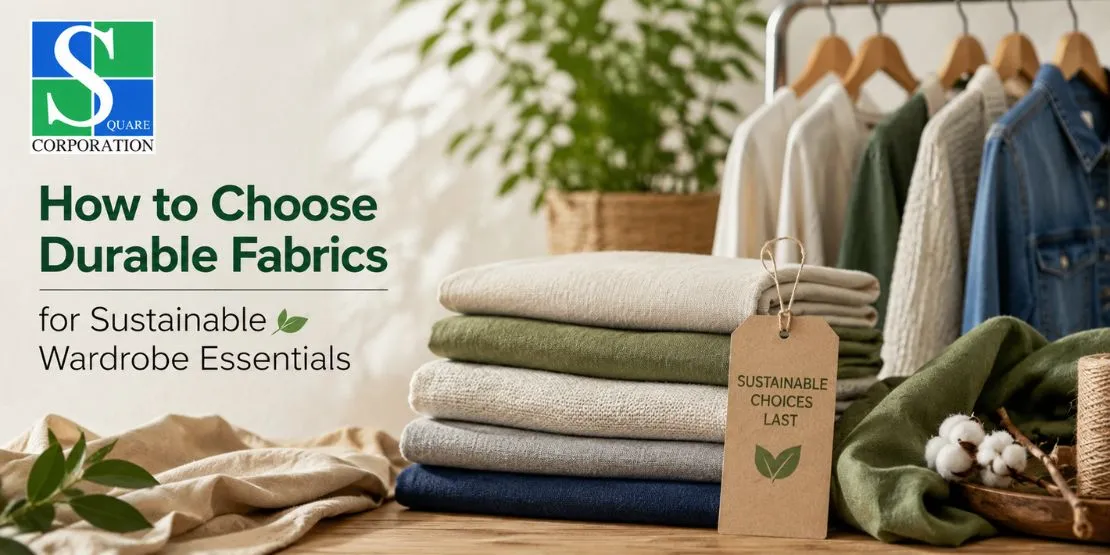
How to Choose Durable Fabrics for Sustainable Wardrobe Essentials

Each garment tells its own story, right from the selection of material used to the construction process and how it is maintained over time. The key to developing a sustainable wardrobe lies in picking out fabrics that provide comfort and durability. Collaborating with sustainable fabric suppliers in India will ensure that you find such fabrics.

The selection of durable fabrics involves finding clothing that is made to last and is not just in tune with the latest fashions. Pay attention to the material and how to care for your clothes correctly. In this way, you will make responsible decisions, which will contribute to minimizing wastage and accumulating items that will be useful to you.

Various Ways to Choose Durable Fabrics for Sustainable Wardrobe Essentials

Choosing quality fabrics will be key to building a sustainable wardrobe. You need to understand the fabrics and how to care for them in order to create quality and stylish clothes.

Understand what makes a fabric durable

If one wishes to go for sustainability while shopping for clothes, one should take care to select durable items of clothing. One should opt for those clothes that retain their form, color, and texture even after repeated use. This will not only enhance their lifespan but also save them from frequent replacement. For example, a pair of one’s favorite jeans feels soft after being washed yet is always fashionable. That should be the desired result from the clothes that one selects.

Consider responsibly produced fabrics

The origin and method of making the fabric make all the difference. The selection of materials produced by responsible manufacturers ensures that the processes of production become better and there will be more responsible consumers. There are many of the biggest textile exporters in India who produce fabrics that meet international standards as well as sustain durability needs.

Pay attention to fabric weave and construction

The manner in which fibers are interwoven will determine the durability of a fabric. Fabrics that are tightly interwoven are more durable than those that are loosely interwoven. As you handle the garment, observe its construction and feel. Is it sturdy and balanced? When the fabric is stretched, does it maintain its form? These are some of the things that you will be able to observe and appreciate.

Check the fabric’s ability to maintain color

The right choice of color will transform any ordinary apparel into something unique, although one should keep in mind that the durability of its color is essential. The higher quality of a fabric used in clothing means better retention of color; therefore, it stays vibrant through time even after several washings. Otherwise, a fading shirt will have to be changed frequently. To make a good choice, look for clothes where the color is absorbed well and evenly, and where the fabric feels strong and sturdy; these are signs that the garment is made to last.

Invest in versatile fabric choices

Building a sustainable wardrobe doesn’t need a lot of clothing. This concept involves selecting several items that can be used during different occasions. For instance, an ideal cotton shirt is soft and breathable, thus making it useful for casual days. However, when paired with a blazer and suitable accessories, the shirt will make one look presentable during conferences and in the evenings. An ideal linen dress is comfortable because it is light and airy. The dress can also be used during casual days. However, by simply changing the shoes from flat to high heels and including some statement jewelry, one will make a unique look that is stylish enough for unique occasions.

Conclusion

Wearing clothes made of durable fabric ensures that your fashion is not only chic but also practical. You can practice sustainability by taking into account the right selection of material, responsible sourcing, and correct maintenance of the garments.
Breathable Fabrics Explained: Why Natural Fibers Are in Demand

Have you ever noticed how some clothes feel lighter the moment you put them on? It is not always about the design or the fit. Sometimes, the real comfort comes from the fabric itself. We all know that fashion trends keep changing every season, but comfort never goes out of style. Today, more people are paying attention to what their clothes consist of. This is one of the biggest reasons why natural fibers are making a strong comeback. Do you know where the journey of a comfortable cotton fabric truly begins? It starts with reputable cotton yarn exporters who source carefully selected cotton and deliver quality yarn that ensures soft, breathable, and durable textiles.

In this blog, we will discuss why breathable fabrics matter, how natural fibers improve everyday comfort, and why they continue to be the preferred choice for people across the world.

What Makes a Fabric Breathable?

A breathable fabric enables air to circulate freely while helping moisture escape from the body. This process keeps the wearer cool, fresh, and comfortable even during long hours of use.

Many of us are not aware that breathable fabrics also help regulate body temperature. Instead of trapping heat, they allow excess warmth to move out, making them ideal for both hot summers and humid climates.

Why are Natural Fabrics Becoming More Popular?

Natural fibers like cotton, linen, hemp, bamboo, and wool are gaining popularity for several reasons. Unlike many synthetic materials, they allow better airflow, absorb moisture effectively, and offer exceptional comfort throughout the day. Do you know that cotton can absorb a considerable amount of moisture without feeling damp? Similarly, linen dries quickly and promotes excellent ventilation, making it a preferred fabric for warm and humid climates. As people become more conscious about comfort and sustainability, the demand for natural fabrics continues to grow. The key reasons behind their increasing popularity include the following:

Comfort That Lasts Throughout the Day

Breathable natural fibers reduce sweat build-up, keep the body cool, and prevent clothes from sticking to the skin. Whether you are at work, traveling, or spending time outdoors, these fabrics can provide lasting comfort.

Skin-Friendly Properties

Another very significant advantage of breathable natural fabrics is their skin-friendly properties. Their soft and gentle texture makes them suitable for children, older adults, and people with sensitive skin. Natural fibers help minimize irritation and provide a pleasant wearing experience.

Excellent Moisture Management

Fabrics like cotton efficiently absorb moisture, while linen dries quickly. This combination keeps the body feeling fresh even in hot, humid weather.

A Better Choice for the Environment

Most natural fibers are biodegradable and renewable. Compared to petroleum-based synthetic fabrics, they have a lower environmental impact and support more sustainable textile production.

Growing Consumer Preference for Sustainability

As awareness about eco-friendly living increases, consumers are choosing fabrics that combine comfort with environmental responsibility. This shift has encouraged textile manufacturers to invest in sustainable fiber production and responsible manufacturing practices.

The Future of Breathable Textiles

Innovation is making natural fabrics even better. How? Modern textile technologies now improve wrinkle resistance, durability, and softness without compromising breathability. This perfect balance of comfort, performance, and sustainability is shaping the future of the global textile industry.

Consumers today want fabrics that feel good, last longer, and support environmentally responsible choices. Natural fibers successfully meet all these expectations.

The Conclusion

Breathable fabrics are no longer just a seasonal preference; they have become an essential part of modern living. Their ability to provide comfort, improve airflow, manage moisture, and support sustainable fashion makes natural fibers more relevant than ever. As consumer expectations continue to evolve, businesses also need dependable partners who understand quality, innovation, and responsible textile solutions.

Are you looking for premium textile products backed by industry expertise and uncompromising quality? Then Square Corp, a leading textile exporter in India, is the name you can trust. Discover advanced textile solutions designed for performance, comfort, and sustainability with Square Corp, and experience the difference that superior fabrics can make.

The Role of Eco-Friendly Fabrics in Circular Textile Production

The textile industry is undergoing a drastic transformation to meet global market requirements. As demand for sustainable materials grows rapidly, yarn manufacturers, textile suppliers, and garment brands are exploring how to produce and recycle fabrics in innovative ways. From this point of view, circular textile production offers new hope for cotton yarn manufacturers, textile suppliers, and garment brands.

The main concept of circular textile production is to reduce waste, conserve resources, and keep materials in use for longer. Eco-friendly fabrics are the main influencer of the circular textile production. From organic fibers to recycled yarns, sustainable materials help textile brands expand their businesses in a broader sense.

Let’s explore this blog to understand the role of eco-friendly fabrics in circular textile production.

Interesting Facts about Circular Textile Production

Circular textile production is a system in which materials are designed, manufactured, and reused in a continuous loop. Instead of dumping them in landfills, fabric manufacturers recycle, regenerate, and repurpose them into new products.

Traditional India textile manufacturing mainly depends on virgin raw materials, intensive chemical processing, and a linear consumption process. But after the introduction of circular textile production, the textile industry has experienced significant benefits.

  1. Better resource allocation and efficiency
  2. Reduction of water materials
  3. Recycling and reuse of organic fibers
  4. Sustainable sourcing of raw materials

To reduce environmental impact and increase recyclability, eco-friendly fabrics are a significant part of the circular textile production.

Importance of Organic Fabric in Circular Textiles

In the circular textile production, organic fabrics have huge significance, and we are now describing them in detail-

1. Focus on sustainable yarn

In circular textile production, sustainability is at the heart of the process, starting with sustainable yarns. Yarn manufacturers primarily ascertain the raw material consumption for fabrics, including organic cotton yarn, recycled cotton blends, regenerated synthetic fibers, and certified fabric materials.

Innovation in recycled fibers enhances fabric quality and ensures smooth operation in circular textile production.

2. Support transparency

Eco-friendly fabrics used in circular textile production maintain transparency in the supply chain. Modern buyers who focus on sustainable products show strong interest in where fabrics are sourced, how yarns are produced, and the environmental standards maintained during production. If your brand provides all this valuable information to buyers, it ensures transparency in your production and maintains the integrity of the textile supply chain.

In such a case, you should consider buying organic fabric from trusted fabric manufacturers in India to maintain your brand’s transparency. This transparency fosters bonding among yarn manufacturers, textile mills, and garment manufacturing companies.

3. New Innovation in circular textile

Technological innovation is a greater aspect of the circular textile solution. New technological advancements basically focus on waterless dyeing processes, digital textile printing, fiber generation from textile waste, and an AI-driven textile recycling process. These latest innovations enable textile manufacturers to produce high-quality fabric while reducing resource consumption and environmental pollution.

As sustainability becomes a competitive advantage, garment brands are investing in eco-friendly materials and circular production processes to adopt a new, innovative approach.

Conclusion

The shift towards circular textile production is a new innovation for the textile industry. If you are curious about converting your textile business to circular production, you must lay a foundation in premium-quality, eco-friendly fabrics. Try contacting Square Corporation to buy top-notch organic fabric to strengthen your brand value for circular textile production.

Why Some Plant Fibers Get Softer with Every Wash

Some plant fibers have the astonishing ability to soften with every wash, making cotton, linen, bamboo, and hemp fabrics increasingly comfortable over time. Unlike synthetic fibers, which seem to break down from wash to wash, natural plant fibers love water, agitation, and gentle abrasion. Due to their special cellulose structure, they can relax and open up-a process in which they shed stiffness and turn fabrics that were at first firm or textured into smooth, breathable, skin-friendly materials. If you want to make comfortable clothing, cotton yarn traders can help you.

Plant-based fabrics are preferred in apparel and textiles since the fiber naturally softens over time. As fibers wash, they lose oils, loosen, and go through micro-polishing, which increases comfort without compromise to strength. Therefore, these have turned into durable, earth-friendly materials that get better in quality and softness with time, thus being a popular pick by individuals who aim for long-lasting comfort. In this article, we will be explaining why some plant fibers get softer every time they are washed.

Reasons Some Plant Fibers Get Softer with Every Wash

Plant fibers such as cotton, linen, and bamboo get softer with every wash due to their cellulose structure. Water and mild detergents relax fibers; they remove residues for better comfort and breathability.

Natural fibers relax and loosen over time

The plant fibers, such as cotton, linen, hemp, and bamboo, change with every wash. As they get into the water, the fibers start to uncurl, which relieves them of their inner tension. This makes the fabric softer, feeling indeed more luxurious and less stiff after every wash. Not only does this gentle hug of water revive the fibers, but it also adds great comfort to the textile, making them a pleasure to wear next to the skin. You can make some amazing dresses for yourself with the help of the best fabric manufacturers in India.

Break-in process of cellulose fibers

Plant-based fibers, made essentially of cellulose, break in naturally over time, softening and smoothing their rough edges and developing a truly indulgent feel against the skin. Curiously enough, even while wearing these fibers in, repeated washing can keep the fibers intact and therefore retain their length with a soft, plush, and inviting quality with repeated use.

Woven fibers separate slightly and fluff up

This is because, when washing fabric, the mild agitation involved works to tease apart and very slightly puff out the fine strands of material inside every yarn. This wonderful “fluffing” effect enhances softness without sacrificing the structural integrity of the textile, so it remains strong while feeling superbly plush. The best India textile manufacturing helps you get the best fibers for your project.

Water infiltrates the structure of the fiber

Water enters the plant fibers, swelling them and making them more flexible; this flexibility allows them to bend and flex gracefully. As it dries, the fibers retain some of this additional flexibility that makes the material feel soft and smooth. It’s what gives it that gentle supple touch.

Conclusion

The softness inherent in plant fibers, therefore, increases with every wash, due to the water, gentle agitation, and mild detergents that relax their cellulose structure. Over time, the residues are washed away, fibers slacken, and micro-abrasion polishes the surface, acting to make fabrics like cotton, linen, and bamboo all increasingly comfortable and breathable. It is this quality that explains why plant-based textiles dominate in human clothing and bedding, combining durability with gains in softness over time.

Myth & Facts: The Truth You Should Know About rPET Fabric

We all know that sustainability now takes the centre stage in the textile and fashion industries. As an obvious outcome, rPET or recycled polyester has appeared as a famous alternative to virgin polyester. However, countless myths have come into focus with its rise in popularity. So let’s separate the true facts from the fiction and unveil the reality about recycled polyester. Contact a renowned recycled polyester fabric manufacturer if you are looking forward to buying precision-engineered rPET fabric.

5 Most Common Myths Associated with Recycled Polyester

Recycled polyester is an eco-friendly and innovative solution to decreasing plastic waste while retaining high-quality fabric performance. So let’s have a closer look at the most common yet significant myths associated with rPET or recycled polyester.

Myth 1: Recycled Polyester is Less Durable than Virgin Polyester

Fact: Most individuals believe that the quality of recycled polyester is not as good as that of virgin polyester. However, this is far from reality. Top-quality PET goes through the latest processing techniques. This ensures the recycled polyester material retains its flexibility, strength, and performance similar to virgin polyester. Many famous brands use rPET in performance wear, representing its reliability and durability.

Myth 2: Recycling Polyester is Harmful like Producing Virgin Polyester

Fact: Many of us are unaware that the production of virgin polyester needs massive amounts of energy, petroleum, and water. For this reason, the production of virgin polyester contributes to greenhouse gas emissions. On the other hand, recycled polyester notably decreases environmental impacts. How?

The procedure of converting plastic waste, such as PET bottles, into rPET requires up to 59% less energy. This process decreases CO2 emissions by approximately 32% compared to the production of virgin polyester. Though no manufacturing procedure is entirely free of environmental impacts, rPET is a far more sustainable option in the procedure. So contact a leading wholesale fabric supplier in India to buy superior-quality recycled polyester fabric at a reasonable rate.

Myth 3: You Can’t Process Recycled PET Again

Fact: Recyclable polyester can be processed several times without losing its integrity. We all know that the infrastructure of textile recycling is still developing. However, the latest advancements in chemical recycling make it possible to break down polyester into its basic elements and generate new fibres. As circular economy initiatives develop, more solutions are coming forth to make polyester recycling an endless loop.

Myth 4: Recycled Polyester isn’t Versatile & Comfortable

Fact: Nowadays, recycled polyester fabrics are just as breathable, soft, and adaptable as their virgin counterparts. Whether in outerwear, activewear, or day-to-day clothing, recycled polyester offers the same level of performance and comfort. Countless inventions in fabric technology ensure the successful blending of recycled polyester and natural fabrics such as wool or cotton to develop diverse textile options.

Myth 5: Recycled Polyester Doesn’t Make a True Difference in Plastic Waste

Each year, countless plastic bottles end up in landfills and the ocean. By altering these bottles into textiles, rPET helps divert plastic waste from our environment. How? For instance, a single t-shirt can save about 5-10 plastic bottles from creating pollution. Though recycling alone can’t solve the plastic crisis, it plays an essential role in sustainability efforts and waste reduction.

The Closing Thoughts

With ever-evolving technology, recycled polyester will continue to play a vital role in the sustainable textile and fashion industries. Selecting recycled polyester is not just an environmental statement; instead, it’s a step towards a greener future. So why wait? Contact Square Corporation, one of India’s leading yarn manufacturers, to buy high-quality recycled polyester yarns. With years of experience in yarn sourcing in India and a sharp focus on sustainable practices, we ensure superior product quality and on-time delivery. Get in touch with us now for more information.

Growing Green Threads: A Path to Greener Manufacturing

India is famous for its textile production. A significant aspect of India Textile manufacturing is the production of organic fabrics in India. They are creating a better future for how clothes and other fabrics are made. Natural fibers play an essential role in the textile industry. Would you like to learn more about the properties of natural fibers? Then you are in the right place to gain valuable insights.

Threads of Change, Woven by Nature

With growing awareness production methods are shifting towards harmony with both people and the planet. The use of natural fibers helping India to move from mass production to mindful manufacturing . Let’s start without wasting time.

Cultivation of Natural Fibers

The journey of natural fibers like cotton, silk, jute begins with cultivating them in fields.. Organic cotton is grown without synthetic pesticides. It promotes healthy soil and ecosystems. The farmers use traditional methods. It ensures the preservation of domestic practices.

Processing from Raw Fiber to Yarn

Once harvested, the natural fibers undergo several processes to transform into yarn. This includes cleaning, spinning, and dyeing. Organic manufacturing in India prioritizes eco-friendly practices. For example, the Kotpal handloom fabrics from Orissa uses natural dyes from the Aul tree. Organic fabric makers try to use natural dyes that don’t create pollution.

Rise of natural Fabrics

The rise of organic fabric manufactures in India is good for the Indian textile manufacturing industry. It encourages the people to come up with new cleaner way of making textiles. Organic fabrics often have a higher value which can help the Indian economy.

Support System Of Farming

The organic manufactures of India helps for the people who live in the farming area. People making organic fabrics can be a good way to earn their living. When you buy organic fabrics you are supporting these communities. It helps them to grow in a good way.

Facing the challenges

There are some challenges for organic fabric manufactures in India. It can be sometimes cost more to grow and process organic materials. It is important to make sure that the fabrics that are called “organic” are really organic through proper checks and certifications.

Sustainable products for Global Market

These processes result in high quality and sustainable fabrics. It becomes ready for various applications such as apparel, home textiles and other clothing materials. Square Corporation is the leading export import organic manufacturer of India. It serves both domestic and international markets meeting the eco friendly market products.

The Conclusion

The future looks bright for organic fabric manufactures in India. More and more people want to buy that are healthy for the planet. This mean there will be bigger demand for organic fabrics in India. These manufactures are not weaving cloth, but a greener future for the textile industry. You can contact Square Corporation for best quality organic fabrics manufacturer in India.