


B2B Commerce
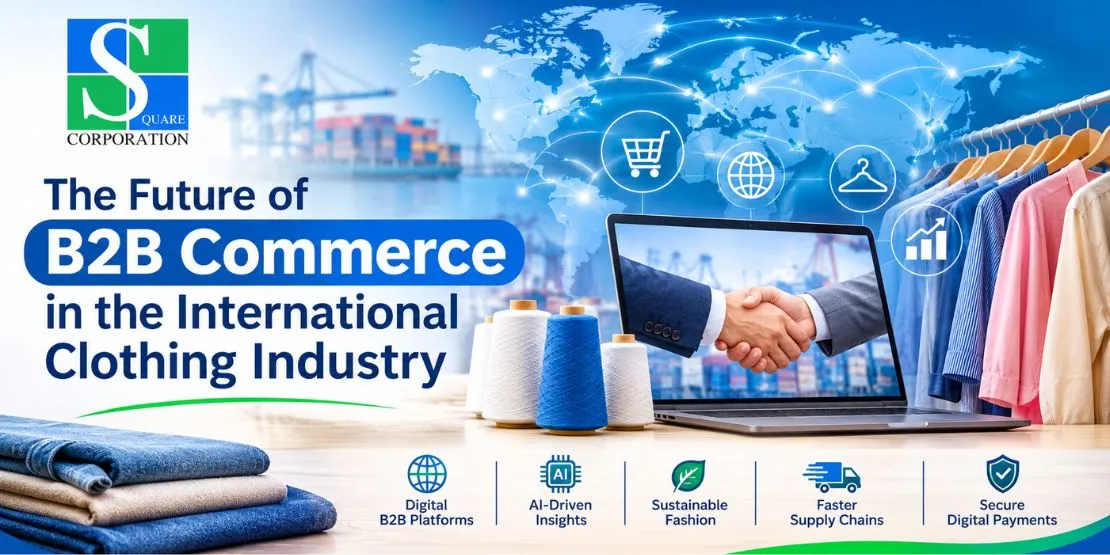
The Future of B2B Commerce in the International Clothing Industry
05 November 2026 | By admin
The business of clothing internationally is evolving from an old-fashioned approach into a digital age. Whereas transactions used to drag their feet using faxes and trade exhibitions, they now occur at the click of a button. It is a new way of doing business for the brands, mills, and suppliers involved. Cotton yarn exporters become central to this evolution because they act as the connecting factor between the supply side and the demand side on an international level.
Tomorrow’s B2B fashion industry: digital, transparency, and data-driven decision-making. Digital platforms allow the comparison and testing of products as well as their purchase without traveling across oceans, and intelligent tracking makes sure that everything is properly tracked. Smaller companies gain access to global supply chains that were accessible exclusively to big companies before. The successful ones will be the speedy and reliable ones.
Future of B2B Commerce in The International Clothing Sector
B2B E-Commerce is revolutionizing the global garment industry through technological and logistical innovations. Learn about the new developments that are making this happen.
Digital B2B platforms are changing global clothing trade
It is much easier to buy and sell clothes across different countries. This is because of the use of digital B2B sites where buyers can meet manufacturers and place their orders. The digital B2B sites can be regarded as big business-to-business marketplaces online.
Artificial Intelligence is making business decisions smarter
The use of AI is proving to be very helpful in the clothing business. It assists organizations in analyzing customer demands and predicting popular items, as well as in stock management. For instance, an exporting organization may use its sales information to determine the type of fabric or dress that will be in demand during the following season.
Social media will support b2b clothing marketing
Apart from being used to approach individuals as consumers, social media is increasingly becoming an essential means of marketing to other businesses as well. LinkedIn, Instagram, and Facebook platforms allow clothing companies to showcase their products to possible buyers. Well-crafted posts can introduce new fabric collections, share factory updates, or showcase recent work. Textile exporters in India can benefit greatly from using these social media platforms for branding.
Faster supply chains will improve order delivery
In clothing exports and imports, the timing of delivery is very important. Late delivery could spoil the whole season for the seller. This is why companies are searching for fast and dependable supply chains. Better stock management, better transport systems, and order tracking through the Internet could help. The buyer will know the location of their orders.
Customized clothing orders will gain more attention
All international buyers are not after the same merchandise. While some may need customized clothing items, others may have specific demands about fabrics, sizing, coloring, or design. B2B commerce has made this task easier. Buyers can communicate their needs online and talk about the product before purchasing.
Digital payments will make international trade easier
Cross-border payments have been a problem area for clothing companies. Different currencies, transaction fees, and time lags in the payment process may pose issues in transactions. The use of digital payment systems is proving helpful for businesses in handling these issues.
Conclusion
For B2B businesses in the international clothing business in the future, there are some key issues that need to be considered. Technology, sustainability, fast delivery, and a great experience for customers are among them. It is not enough for buyers to have only cheap products.
 Previous Post