


How the Fashion Industry Contributes to Climate Change: A Comprehensive Analysis
22 June 2026 | By admin
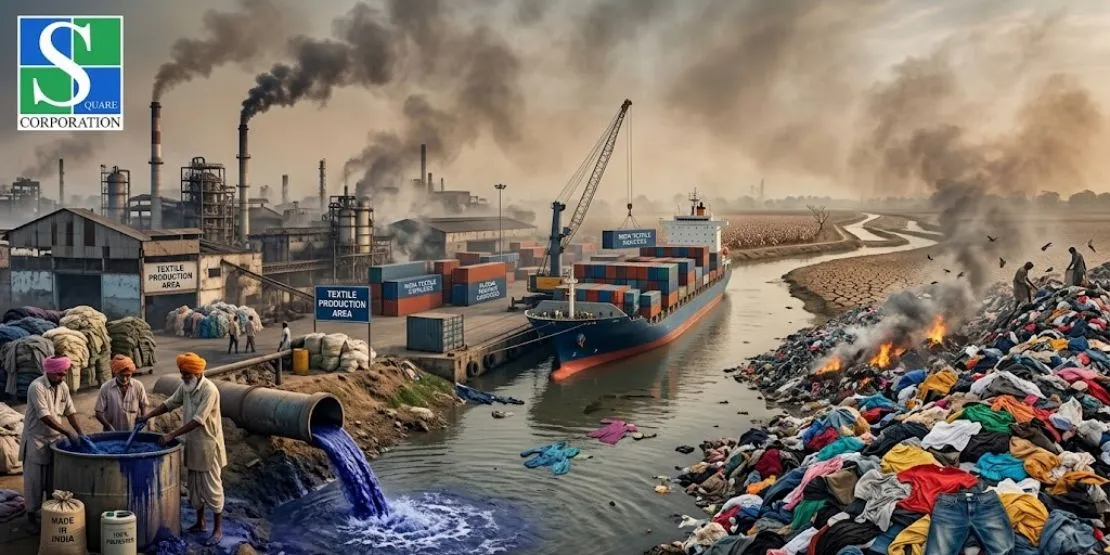
The fashion industry is one of the fastest-growing industries in the world, but it has a devastating impact on our planet and worsens global warming issues. All stages of fashion, from the extraction of materials to production to waste management, cause the emission of greenhouse gases, pollution of water sources, and excessive use of natural resources. Although some attempts have been made at sustainability in material sourcing, for instance, working with organic cotton suppliers in India, the effects of the industry as a whole continue to be profound because of its need for extensive production and fast fashion.
The fashion industry is experiencing a crisis situation arising from overproduction and consumption, resulting in fabric waste, increased water usage, and greenhouse gas emissions along the supply chain. The use of synthetic fibers is another cause of ocean microplastics pollution. Circular fashion and sustainable production or consumption are some ways out of this crisis.
Various Ways the Fashion Industry Contributes to Climate Change
The fashion industry damages the environment. Its contribution to global warming results from the use of resources, emissions, and waste production. Knowledge of its negative impacts will help encourage sustainable dressing.
High carbon emissions from production
The production process for clothes involves the use of a lot of energy in operations such as spinning, weaving, dyeing, and finishing fabric materials. All these procedures need substantial amounts of energy, mostly derived from non-renewable sources such as fossil fuels, thus resulting in substantial emissions of greenhouse gases. The emission of such substances is harmful since they contribute to climate change and global warming.
Pollution from dyes and chemicals
Textile manufacturing and treatment require the use of many toxic substances. When these toxins are improperly handled, there is a possibility that they will find their way into rivers and other bodies of water. This causes environmental pollution and affects aquatic organisms. The lives of local communities relying on these resources for water are put at risk.
Microplastic pollution
Polyester and other synthetic fibers are damaging to the environment as they continuously emit small plastic fragments when they are washed. The small plastic fragments may be overlooked, but they eventually find their way to the ocean, posing threats to the marine ecosystem. This silent pollution is becoming increasingly concerning for the welfare of the oceans and their inhabitants.
Supply chain emissions
The sourcing and transport of raw materials and the completed apparel in the global market significantly contribute to the emission of carbon into the atmosphere by the fashion industry. The textile suppliers in India are one of the vital parts of the complex global supply chain. Complex logistics in terms of product transport over vast distances increase the problem and cause further pollution of the environment due to carbon emissions. Each process of transportation, from raw material sourcing to garment delivery, generates carbon emissions.
Excessive water consumption
Textile manufacturing uses large quantities of water, especially in the cultivation of cotton as well as in the production of textiles. Cotton grows well in wet conditions; hence, regular irrigation is necessary. In addition, manufacturing textiles from cotton requires additional water. Various stages of textile processing, including dyeing and finishing, involve the consumption of water. The high levels of water consumption put strain on the availability of fresh water sources in the community. Consequently, the community experiences water shortages, hence failing to satisfy its basic requirements.
Conclusion
The fashion industry is one of the industries that contributes significantly to climate change through the release of greenhouse gases, production of waste, high use of water, and pollution. In order to reduce the impact on the environment caused by the fashion industry, it is important to embrace sustainability.
 Previous Post