

Organic Cotton Farms
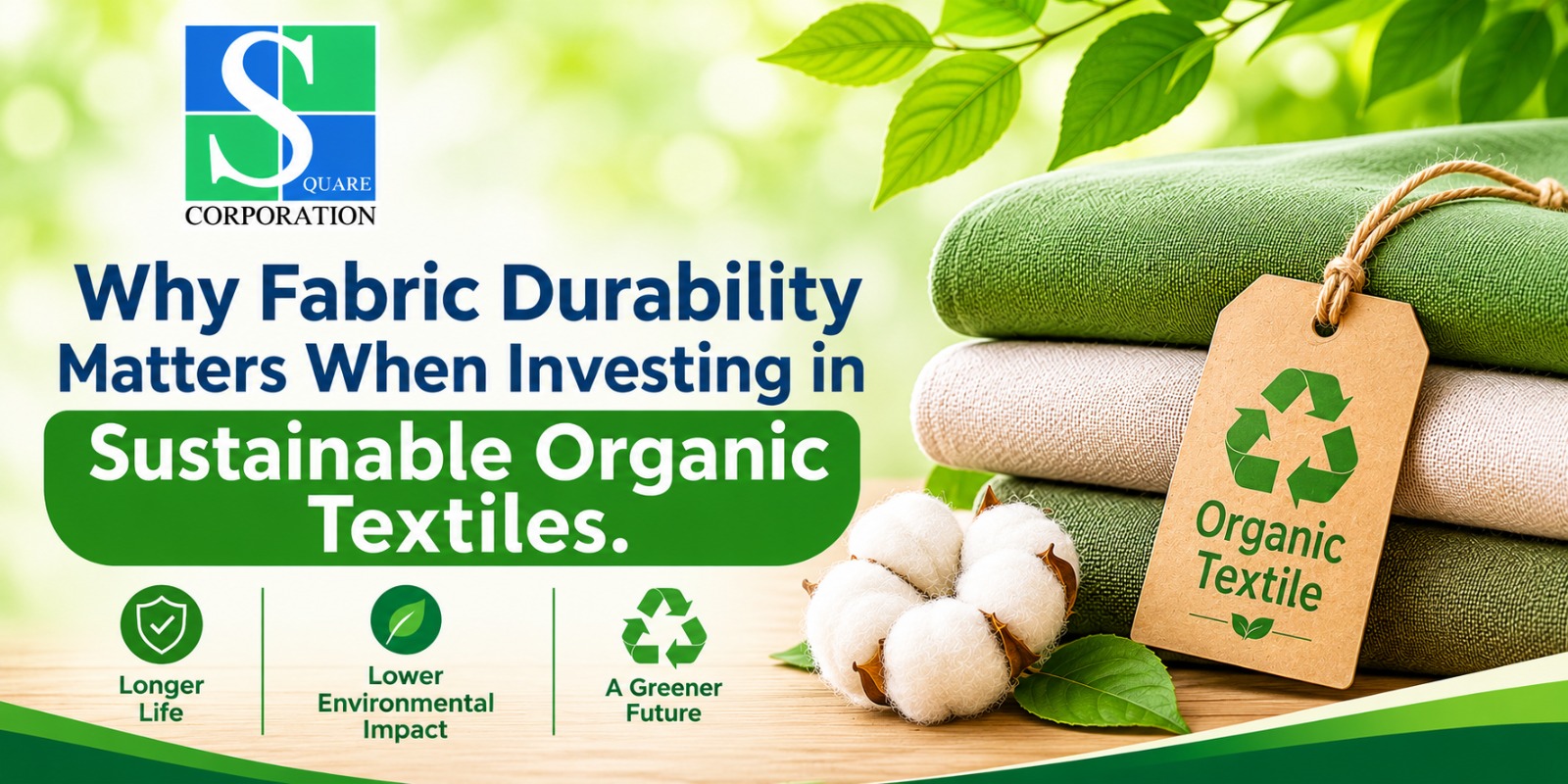
Why Fabric Durability Matters When Investing in Sustainable Organic Textiles
23 November 2026 | By admin
Investing in sustainable organic textiles is not a simple decision. It mainly depends on fabric quality. Soft, durable fabric can meet sustainable textile demand when fabric quality remains consistent after several washes. Initially, fabric choice may seem like a routine raw-material purchase for a textile business.
However, textile manufacturers must consider production cost, customer satisfaction, and unnecessary textile waste before buying fabric from trusted Supima cotton suppliers in India. As the textile industry is growing, responsible manufacturing and sourcing eco-friendly, premium-quality fabric become vital.
Fabric that maintains its strength, appearance, and functionality throughout use can enhance long-lasting products. That’s why fabric sourcing is a vital consideration for textile manufacturers, apparel brands, and garment exporters.
Now let’s discuss why fabric durability matters when investing in sustainable organic textiles.
Factors Responsible for Making Organic Fabric Durable
Not all organic fabrics perform in the same way. The durability, usability, and functionality of organic fabric depend on several factors, such as:
-
Fabric quality and strength
A durable fabric’s journey starts with fibre quality. Because organic cotton is praised for its natural softness and breathability, its performance largely depends on fibre length, strength, and consistency.
High-quality cotton fibres support a stronger yarn foundation, which is essential for fabric performance. That’s why textile manufacturers evaluate fibre quality along with organic credentials to assess the durability of organic fabric.
-
Yarn construction and consistency
Excellent raw fibres need appropriate processing to become top-notch textile materials. Yarn construction influences fabric strength, surface appearance, flexibility, and resistance to daily wear. Yarn count, twist, fibre alignment, and spinning quality influence the finished fabric’s performance.
-
Fabric structure and construction
How yarns are produced for fabric production can influence the quality of woven, knitted, and denim fabrics. It helps textile manufacturers match material performance with real-world customer usage.
Why Fabric Durability Matters for Sustainable Textiles
Sustainability doesn’t end with incorporating organic cotton; it continues throughout the finished textile product. For textile trading companies in India, fabric durability matters in several ways.
- Longer product lifespan– Fabrics that retain their functional properties can help garments remain in a better condition for longer,
- Reduction of material replacement– Better performing textiles can reduce the frequency of textile replacement that can cause premature fabric damage.
- Consistent product quality– Durable fabric helps textile manufacturers maintain the top-notch textile quality of their collections.
- Better customer satisfaction– Consumers prefer garments that retain their appearance and comfort after regular use.
- Improved resource utilisation– Manufacturing products that last longer helps businesses get more value from the materials and resources invested in production.
Conclusion
For manufacturers and textile exporters, using sustainable organic fabric is vital to maintain brand value and material quality. If you are looking for top-notch quality organic cotton and sustainable fabric solutions, we can fulfil your production requirements. At Square Corporation, you can explore a variety of durable fabric sourcing options that are suitable for your business
 Previous Post