

Bamboo Blend Fabric
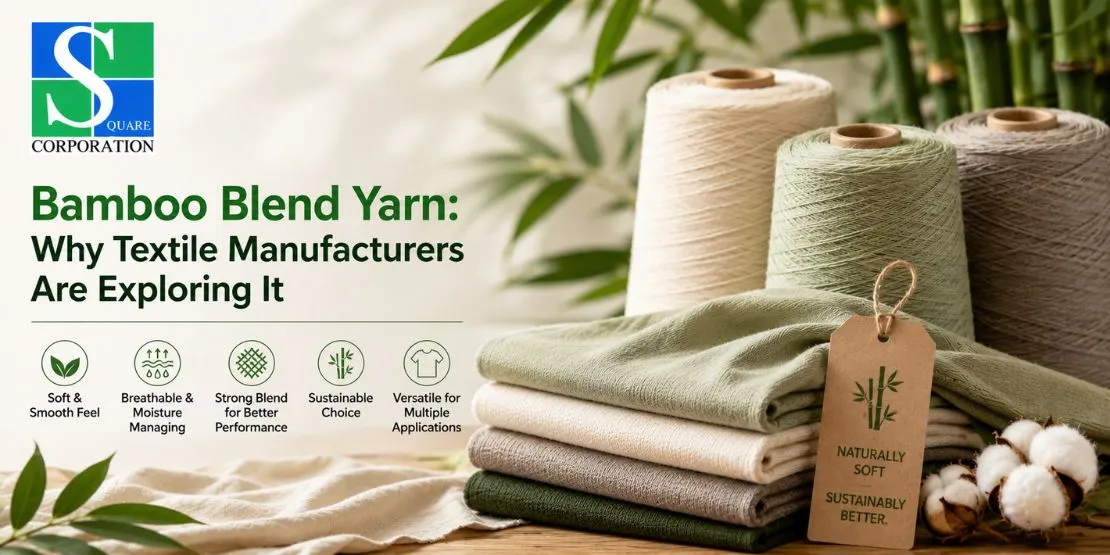
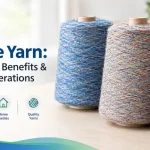
Bamboo Blend Yarn: Why Textile Manufacturers Are Exploring It
15 August 2026 | By admin
The textile industry is continuously exploring innovative fabrics that bring comfort, reliability, and innovation from a single source. Among the latest fabric options, bamboo blend yarn can do wonders. The soft hand feel, lightweight nature, and comfort of bamboo blend yarn make it useful for activewear, babywear, intimate wear, and home textile applications.
However, the real application of bamboo blend yarn lies in a unique combination of bamboo-derived fiber with another fiber to create a balanced yarn.
Professional and trusted cotton yarn exporters are trying to include bamboo blend yarn in other value-added yarn portfolios to support textile manufacturers from a broader perspective. If you want to know what makes bamboo blend yarn worthy for textile manufacturers, you must read this blog.
What Do You Mean by Bamboo Blend Yarn?
Bamboo blend yarn mainly combines bamboo-derived fiber with another fiber to achieve unique properties for a durable fabric. The second fiber option that the yarn manufacturer chooses basically provides strength, durability, moisture management, fabric stability, and overall appearance.
The exact performance of the bamboo blend yarn mainly depends on the accuracy of blend composition, fiber quality, and yarn construction. Bamboo yarn does not mean mechanically processed bamboo fiber. Bamboo blend yarn is a sustainable fabric option that supports textile manufacturers in utilizing a distinct range of sustainable fabrics.
Why Are Textile Manufacturers Exploring Bamboo Blend Yarn?
In this section, we will discuss why textile manufacturers are exploring bamboo blend yarn for broader prospects.
Softness that consumers notice
One of the biggest reasons for using bamboo blend yarn is its soft, smooth feel. For garments, soft fabric is a great option, especially for comfortable T-shirts, innerwear, and baby wear. For garment manufacturers, bamboo blend yarn can create opportunities to develop fabrics that give users a premium feeling.
Breathability and moisture management
Consumers prefer comfortable garments for daily wear in warm climates. Bamboo-derived fibers are famous for their moisture-retention capacity and breathable features. Due to their moisture retention capacity and breathability, bamboo blend yarns are becoming suitable for lightweight garments, casual wear, innerwear, and sleepwear.
Blending can create a balanced yarn
Every fiber has unique strength; thus, when you blend two individual fibers to create a single one, it can provide better fiber quality. For comfort, durability, strength, moisture management, fabric stability, and better performance, bamboo blend yarn can secure a respectable position in modern textile manufacturing.
Bamboo fits into sustainable textiles
Sustainability is becoming a trend in the current textile market. By choosing sustainable garment materials, users can maintain a sustainable value chain in the textile industry. Due to its plant-based property, the demand for bamboo blend yarn is growing rapidly.
Bamboo can serve different textile applications
A sustainable bamboo blend yarn can serve different textile applications such as apparel, active wear, baby wear, home textiles, and knitted fabrics. Due to the wide variety of applications, durable fabric quality, and fabric softness, top textile exporters in India prefer to choose Bamboo blend yarn for premium garment manufacturing.
Conclusion
If you want to rule the textile industry in the near future, you must think of a different fabric that can easily attract your customer base. With bamboo blend yarn from Square Corporation, you can experience a sustainable fabric option that can gradually change the textile landscape. You can explore our wide range of value-added yarn options that can definitely do wonders for your textile business.
 Previous Post