
10 February, 2026 | by Admin
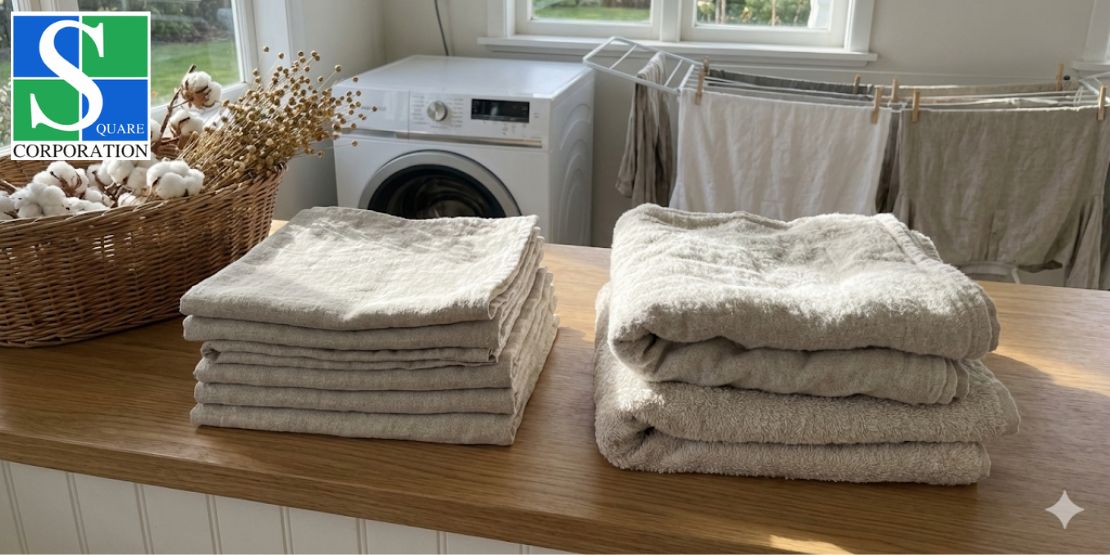
Why Some Plant Fibers Get Softer with Every Wash
10 December, 2025 | by Admin
Some plant fibers have the astonishing ability to soften with every wash, making cotton, linen, bamboo, and hemp fabrics increasingly comfortable over time. Unlike synthetic fibers, which seem to break down from wash to wash, natural plant fibers love water, agitation, and gentle abrasion. Due to their special cellulose structure, they can relax and open up-a process in which they shed stiffness and turn fabrics that were at first firm or textured into smooth, breathable, skin-friendly materials. If you want to make comfortable clothing, cotton yarn traders can help you.
Plant-based fabrics are preferred in apparel and textiles since the fiber naturally softens over time. As fibers wash, they lose oils, loosen, and go through micro-polishing, which increases comfort without compromise to strength. Therefore, these have turned into durable, earth-friendly materials that get better in quality and softness with time, thus being a popular pick by individuals who aim for long-lasting comfort. In this article, we will be explaining why some plant fibers get softer every time they are washed.
Reasons Some Plant Fibers Get Softer with Every Wash
Plant fibers such as cotton, linen, and bamboo get softer with every wash due to their cellulose structure. Water and mild detergents relax fibers; they remove residues for better comfort and breathability.
Natural fibers relax and loosen over time
The plant fibers, such as cotton, linen, hemp, and bamboo, change with every wash. As they get into the water, the fibers start to uncurl, which relieves them of their inner tension. This makes the fabric softer, feeling indeed more luxurious and less stiff after every wash. Not only does this gentle hug of water revive the fibers, but it also adds great comfort to the textile, making them a pleasure to wear next to the skin. You can make some amazing dresses for yourself with the help of the best fabric manufacturers in India.
Break-in process of cellulose fibers
Plant-based fibers, made essentially of cellulose, break in naturally over time, softening and smoothing their rough edges and developing a truly indulgent feel against the skin. Curiously enough, even while wearing these fibers in, repeated washing can keep the fibers intact and therefore retain their length with a soft, plush, and inviting quality with repeated use.
Woven fibers separate slightly and fluff up
This is because, when washing fabric, the mild agitation involved works to tease apart and very slightly puff out the fine strands of material inside every yarn. This wonderful “fluffing” effect enhances softness without sacrificing the structural integrity of the textile, so it remains strong while feeling superbly plush. The best India textile manufacturing helps you get the best fibers for your project.
Water infiltrates the structure of the fiber
Water enters the plant fibers, swelling them and making them more flexible; this flexibility allows them to bend and flex gracefully. As it dries, the fibers retain some of this additional flexibility that makes the material feel soft and smooth. It’s what gives it that gentle supple touch.
Conclusion
The softness inherent in plant fibers, therefore, increases with every wash, due to the water, gentle agitation, and mild detergents that relax their cellulose structure. Over time, the residues are washed away, fibers slacken, and micro-abrasion polishes the surface, acting to make fabrics like cotton, linen, and bamboo all increasingly comfortable and breathable. It is this quality that explains why plant-based textiles dominate in human clothing and bedding, combining durability with gains in softness over time.
Recent Posts
How Sustainable Fabric Choices Can Boost Your Brand’s Marketability...
How to Compare Fabric Samples Effectively...
Why Organic Fibers Are Essential for Sustainable Textile Production...
Meeting Export Market Demands with Eco-Friendly Cotton Textiles...
Essential Tips for Extending the Lifespan of Your Fabrics...
A Comprehensive Guide to Choosing the Right Fabric for Your Clothing...
Related Posts
Eco-Friendly Textiles
Compare Fabric Samples
05 February, 2026 | by Admin
How to Compare Fabric Samples Effectively...
Eco-Friendly Textiles
30 January, 2026 | by Admin