
10 March, 2026 | by Admin
Why Organic Fibers Are Essential for Sustainable Textile Production
30 January, 2026 | by Admin
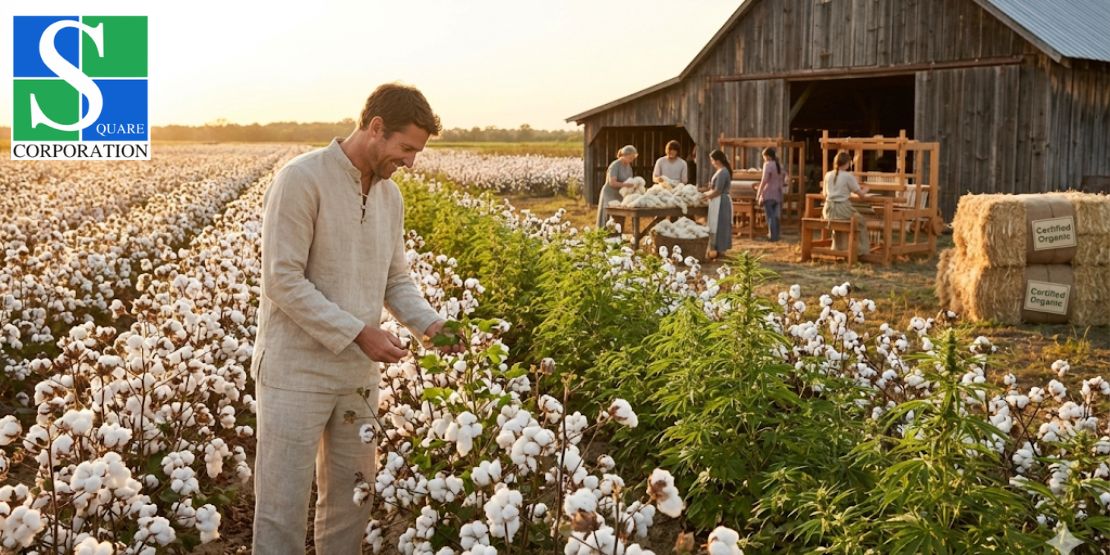
Organic fibers are the raw materials with which the process of sustainable textile production begins, by reducing environmental and social abuses in traditional Indian textile manufacturing. Organic fibers include cotton, wool, hemp, and linen grown using natural farming methods, excluding toxic pesticides and chemicals. These systems foster soil health, conserve water, reduce pollution, and provide healthier work conditions for farmers and communities.
Organic fibers within the textile industry remain among the most feasible alternatives from a sustainability perspective. In particular, organic fibers are biodegradable and renewable; they support fair production and responsible consumption. It contributes to the decrease of carbon dioxide emissions and waste accumulation within the textile industry. Organic fiber is a great alternative as manufacturers and consumers become increasingly conscious of green alternatives for quality and sustainable fashion.
Various Reasons Organic Fibers are Essential for Sustainable Textile Production
Organic fibers are vital in sustainable textile production. They do not grow with chemicals; hence, it is an environmentally friendly alternative.
Decreased Environmental Impact
These organic fibers are grown without the use of any man-made chemical sprays, herbicides, or fertilizers. It aids us in preserving our soils without any pollution of water or air, making our textiles environmentally friendly. So, if you are planning to go green in producing sustainable clothing, the cotton yarn manufacturer will help in this process.
Safer working conditions for the farmers
The use of organic farming in producing fibers leads to a healthier environment and incorporates health benefits into farming activities for farmers or workers who use certain farming methods. This approach also lessens the risk of major health concerns and health risks for workers who use certain farming methods or harsh compounds, such as skin ailments and breathing difficulties. This leads to a healthier and more energetic workforce in this sustainable farming activity.
Lower water pollution and safe water usage
Traditional fabric manufacturers in India use materials such as conventional cotton, which are common in traditional India, as a potential source of harmful constituents in rivers and groundwater. On the other hand, cultivation of organic materials is a great way towards a sustainable system that does not include any hazardous materials. Such cultivation is a great way to maintain the balance within nature as well as promote the well-being of future generations.
Better biodiversity
Organic farming plays a vital part in raising the levels of biodiversity, as every type of life, including insects, avian, and beneficial micro-organisms, thrives in an organic setup. Organic farming ensures that a healthy environmental setup remains, which in turn enables an organic garden to flourish without inviting pests and maintain a balance based purely upon nature.
Support ethical and sustainable fashion
If we use organic fibers in clothing, we will enhance the quality of clothing in general. This would also promote transparency in labor practices in the clothing industry. All these are important principles of sustainable or slow fashion. By embracing organic or natural clothing materials, we will develop a clothing industry that supports a friendly environment as well as its labor. This will let us develop intimacy with clothing stories.
Conservation of soil health
Organic farming techniques, including rotation and composting, also upgrade the quality and texture of the soil. Soils that are in good condition tend to conserve moisture and have improved fertility, resulting in less erosion and potentially providing a useful farming system that will last over a long period.
Reduced carbon footprint
Organic farming produces less fossil fuel, thus reducing the level of gases emitted into the atmosphere. Also, organic farming has healthy soil with strong carbon capture and storage; thus, soil becomes a trusted friend in combating climate change.
Conclusion
Importance of organic fibers in the textile industry: It is very important to use organic fibers in the textile industry. This will help to combat pollution in the environment. This will also save natural resources, as they are easily decomposable. This will also promote ethical farming. Hence, we can live in a healthier world by using organic fibers to promote a good textile industry.
Recent Posts

Why Breathable Fabrics Are Essential for Summer Clothing...

Market Trends in the Fashion Fabric Industry...
Open-Ended Threads: Hidden Uses Across Industries...
How Fiber Denier Affects Fabric Quality...
Why Organic Fibers Are Essential for Sustainable Textile Production...
Meeting Export Market Demands with Eco-Friendly Cotton Textiles...
Related Posts
breathable clothing benefits
Fabric Industry
05 March, 2026 | by Admin
Market Trends in the Fashion Fabric Industry...
Industrial Yarn
28 February, 2026 | by Admin