
25 March, 2026 | by Admin
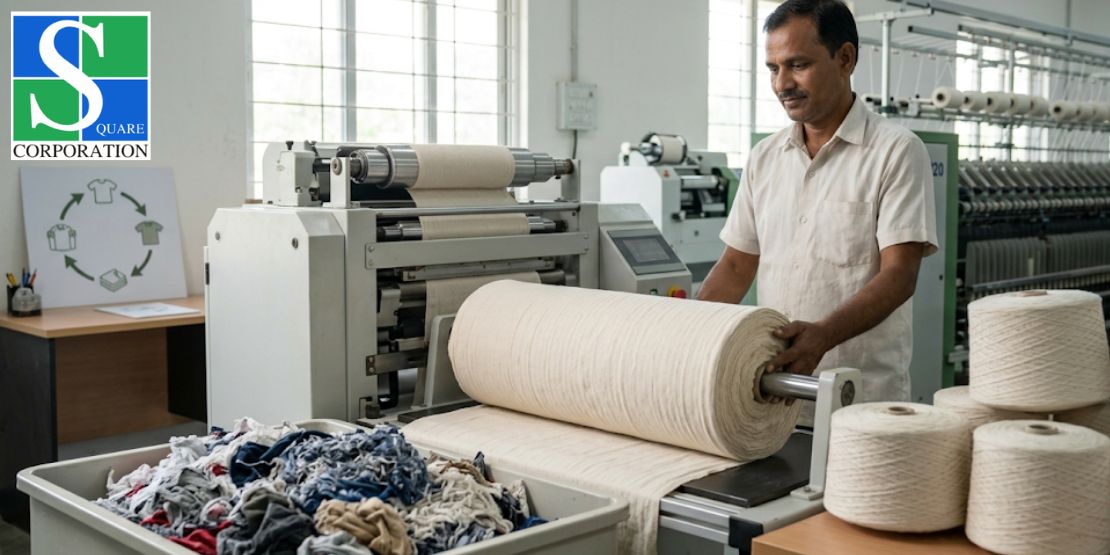
The Role of Eco-Friendly Fabrics in Circular Textile Production
20 March, 2026 | by Admin
The textile industry is undergoing a drastic transformation to meet global market requirements. As demand for sustainable materials grows rapidly, yarn manufacturers, textile suppliers, and garment brands are exploring how to produce and recycle fabrics in innovative ways. From this point of view, circular textile production offers new hope for cotton yarn manufacturers, textile suppliers, and garment brands.
The main concept of circular textile production is to reduce waste, conserve resources, and keep materials in use for longer. Eco-friendly fabrics are the main influencer of the circular textile production. From organic fibers to recycled yarns, sustainable materials help textile brands expand their businesses in a broader sense.
Let’s explore this blog to understand the role of eco-friendly fabrics in circular textile production.
Interesting Facts about Circular Textile Production
Circular textile production is a system in which materials are designed, manufactured, and reused in a continuous loop. Instead of dumping them in landfills, fabric manufacturers recycle, regenerate, and repurpose them into new products.
Traditional India textile manufacturing mainly depends on virgin raw materials, intensive chemical processing, and a linear consumption process. But after the introduction of circular textile production, the textile industry has experienced significant benefits.
- Better resource allocation and efficiency
- Reduction of water materials
- Recycling and reuse of organic fibers
- Sustainable sourcing of raw materials
To reduce environmental impact and increase recyclability, eco-friendly fabrics are a significant part of the circular textile production.
Importance of Organic Fabric in Circular Textiles
In the circular textile production, organic fabrics have huge significance, and we are now describing them in detail-
1. Focus on sustainable yarn
In circular textile production, sustainability is at the heart of the process, starting with sustainable yarns. Yarn manufacturers primarily ascertain the raw material consumption for fabrics, including organic cotton yarn, recycled cotton blends, regenerated synthetic fibers, and certified fabric materials.
Innovation in recycled fibers enhances fabric quality and ensures smooth operation in circular textile production.
2. Support transparency
Eco-friendly fabrics used in circular textile production maintain transparency in the supply chain. Modern buyers who focus on sustainable products show strong interest in where fabrics are sourced, how yarns are produced, and the environmental standards maintained during production. If your brand provides all this valuable information to buyers, it ensures transparency in your production and maintains the integrity of the textile supply chain.
In such a case, you should consider buying organic fabric from trusted fabric manufacturers in India to maintain your brand’s transparency. This transparency fosters bonding among yarn manufacturers, textile mills, and garment manufacturing companies.
3. New Innovation in circular textile
Technological innovation is a greater aspect of the circular textile solution. New technological advancements basically focus on waterless dyeing processes, digital textile printing, fiber generation from textile waste, and an AI-driven textile recycling process. These latest innovations enable textile manufacturers to produce high-quality fabric while reducing resource consumption and environmental pollution.
As sustainability becomes a competitive advantage, garment brands are investing in eco-friendly materials and circular production processes to adopt a new, innovative approach.
Conclusion
The shift towards circular textile production is a new innovation for the textile industry. If you are curious about converting your textile business to circular production, you must lay a foundation in premium-quality, eco-friendly fabrics. Try contacting Square Corporation to buy top-notch organic fabric to strengthen your brand value for circular textile production.
Recent Posts
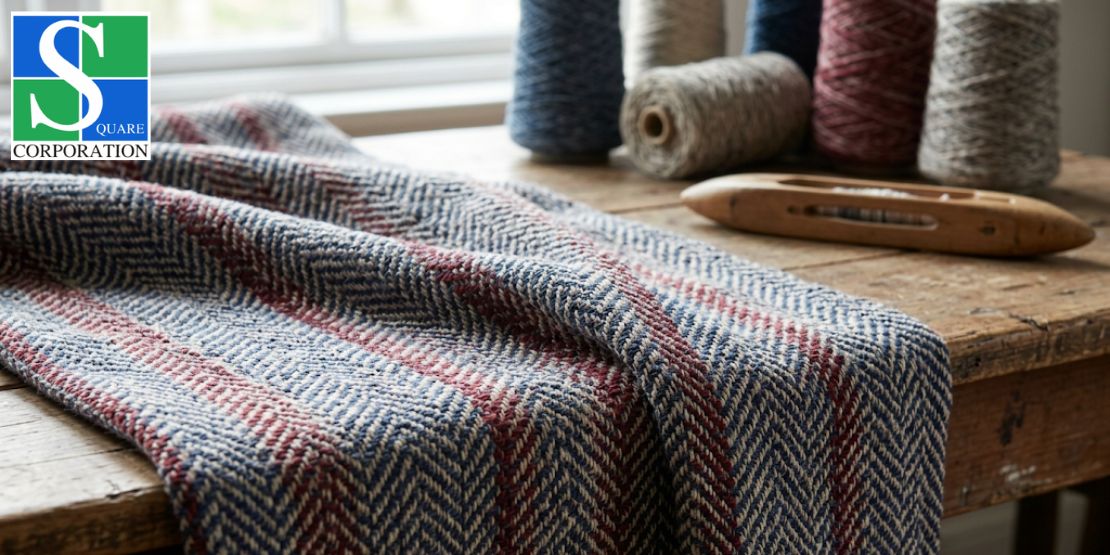
Is it Easy to Come Up with Conventional Textile Designs?...
The Role of Eco-Friendly Fabrics in Circular Textile Production...
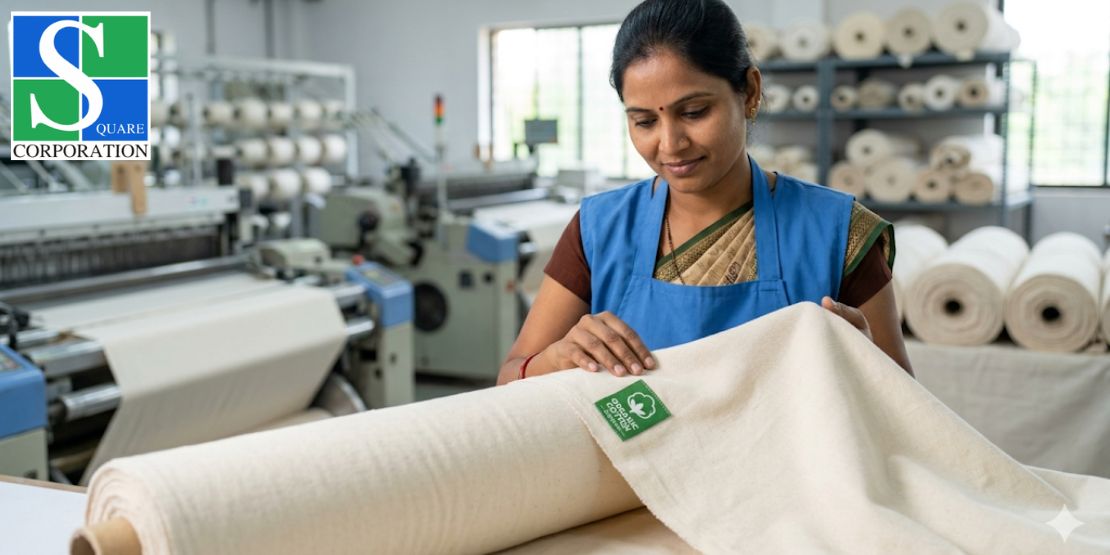
Competitive Advantage of Sustainable Cotton Fabrics in Textiles...

Why Breathable Fabrics Are Essential for Summer Clothing...
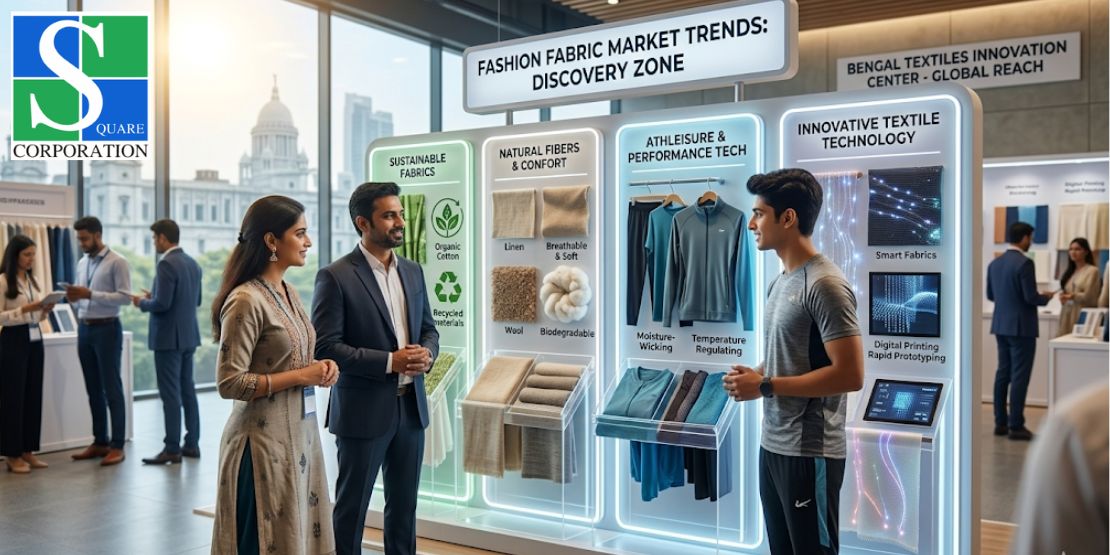
Market Trends in the Fashion Fabric Industry...
Open-Ended Threads: Hidden Uses Across Industries...
Related Posts
Conventional Textile Designs
Circular Fashion
20 March, 2026 | by Admin
The Role of Eco-Friendly Fabrics in Circular Textile Production...
Cotton Fabric Benefits
15 March, 2026 | by Admin