
05 February, 2026 | by Admin
How to Compare Fabric Samples Effectively
05 February, 2026 | by Admin
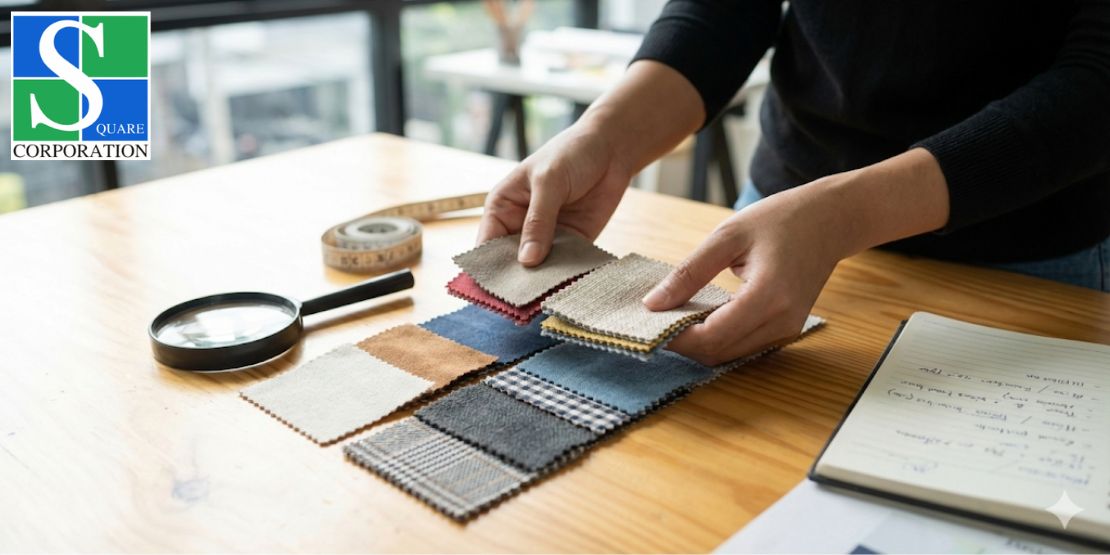
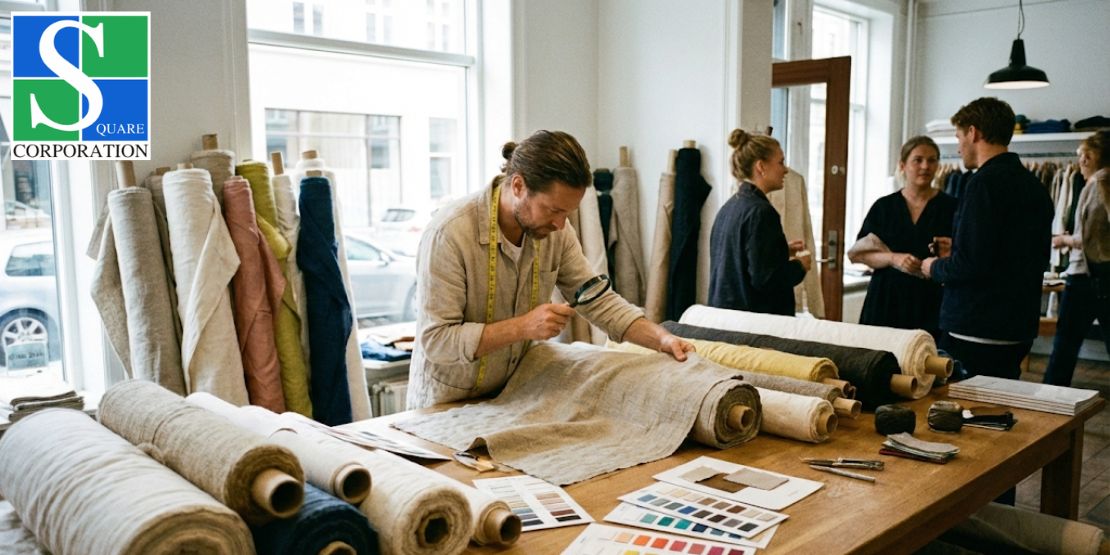
Selecting a proper fabric from wholesale fabric suppliers in India is important, whether it is to make clothes, accessories, home items, or materials needed to complete a task. It should not only look good but also feel good and last long. There are many various kinds of materials and weaves in the market today, and it may not be wise to judge it strictly by how it looks. Getting to see and compare various kinds of materials can give one an opportunity to make a comprehensive judgment on how good it feels and lasts.
For effective comparison, color and pattern are not sufficient. You need to evaluate texture, weight, strength, breathability, and maintenance needs. Always keep the fabric’s intended use in mind. Examine samples side by side and test them through touch, movement, and light. This way, you can make informed choices that balance quality, performance, and cost. This method leads to great results for your projects.
Various Ways to Compare Fabric Samples Effectively
Effectively comparing samples will allow you to choose the right material. You will be weighing things up, such as texture, weight, durability, and comfort, hence enabling you to spot the best choice and consequently avoid quality problems.
Fabric composition
When choosing fabrics, check the fiber content, which includes cotton, silk, wool, polyester, linen, and their blends. The reason being, natural fibers feel breathable and comfy; hence, they remain one of the top picks. Synthetic fibers, on the other hand, stand up to wear and resist wrinkles. Blends fuse the best of both worlds, comfort plus performance. So, when you source fabric from the leading linen fabric manufacturers in India, do not forget to check the fabric composition as well.
Weight and thickness
Pick up the sample and feel its weight in your hands. Lightweight fabrics like linen and cotton are great for hot summer days because they are breathable and comfortable. On the other hand, heavier fabrics such as wool and canvas keep you warm and are strong. They work well for winter clothes or sturdy furniture. Also, consider the fabric’s thickness. It affects how the garment hangs and its durability over time.
Stretch and recovery
Lightly hold and tug the fabric. Now let go and observe. Observe the elasticity of the fabric. Observe quite closely just how much it stretches and whether it returns to its original state. Fabrics that stretch and return to normal do not sag over a period of time.
Color and print quality
You can look closely at it and observe if the color distributes equally and looks bright throughout. You should rub it gently with your fingers. Also, observe if some dye is rubbed off. This, in many cases, would mean that the dye is of low quality. Note that low-quality dye could, in the future, cause damage both to the aesthetics and quality of the product.
Strength and durability
Look closely at the seams and edges for a judgment on how strong the material is. Good, strong materials will not tear and fray over time, which is very important for items you use daily, such as a couch in the living room or your everyday garments that have to face regular wear and tear and many washes.
Breathability and comfort
Press the fabric lightly against your skin for a moment to get a feel of its texture. Fabrics that breathe allow air to pass through, thereby creating a cool sensation during hot weather or exercises. That kind of light and airy, breathable fabrics are ideal to be worn for sportswear because you will feel very comfortable and without constraint.
Conclusion
Through careful evaluation of the samples, you’ll gain confidence to make a choice wisely by balancing quality, comfort, ease of use, durability, and price. Examining the samples through detailed attention to texture, weight, construction, colorfastness, and maintenance required decreases the failure rate of production and gives assurance that it meets the expectation required. Comparing and using the samples increases the quality of the product, the lifespan of the product, and the feeling of satisfaction with the choice made.
Recent Posts
How to Compare Fabric Samples Effectively...
Why Organic Fibers Are Essential for Sustainable Textile Production...
Meeting Export Market Demands with Eco-Friendly Cotton Textiles...
Essential Tips for Extending the Lifespan of Your Fabrics...
A Comprehensive Guide to Choosing the Right Fabric for Your Clothing...
Which Fabric is Highly Sustainable and Future of Fashion?...
Related Posts
Compare Fabric Samples
Eco-Friendly Textiles
30 January, 2026 | by Admin
Why Organic Fibers Are Essential for Sustainable Textile Production...
Eco-Friendly Cotton
25 January, 2026 | by Admin