
28 February, 2026 | by Admin
How Fiber Denier Affects Fabric Quality
25 February, 2026 | by Admin
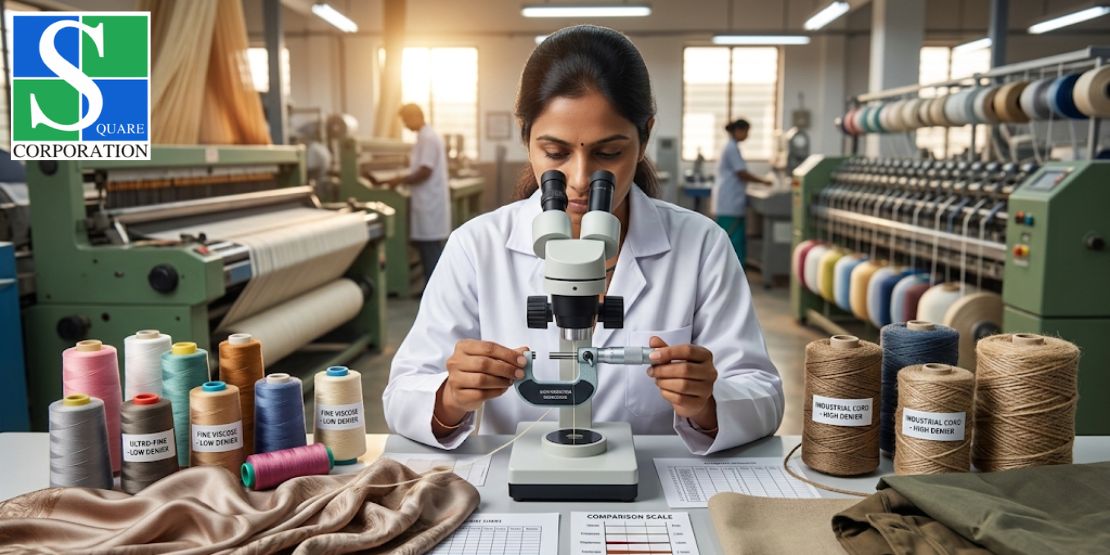
When you touch a fabric with your fingers, you will be able to feel its softness, sturdiness, weight, and flexibility. What is particularly striking is the fact that all these attributes are related to a single basic element: the fiber’s thickness, i.e., the fiber denier. The fiber denier is the basis for the way the fabric looks and the way it feels. Although we cannot see it, it is the single element that determines all the attributes of the fabric. The fiber denier directly influences the texture, strength, and structural density of viscose yarn. So, with the help of the best viscose yarn manufacturer, you can create perfect clothing that you are looking for.
The denier measures how thick or thin a single fiber strand is. Fibers with a smaller denier produce materials that feel smooth, soft, and airy, while fibers with a higher denier produce tougher materials. For manufacturers making luxury clothing, activewear, or industrial textiles, understanding fiber denier is critical. It also influences the feel and lifespan of the fabric from the onset.
Various Ways Fiber Denier Affects Fabric Quality
The quality of fabric depends on the thickness or thinness of the fiber. It also depends on the design. The denier, which measures the thinness of the fiber, plays a crucial part in softness, durability, and weight.
Softness and texture
Low-denier fibers are very fine and soft, creating fabrics that feel smooth to the touch, and they are also produced in textile mills in Gujarat. The fibers are easily bent, which means they hang elegantly and create a smooth, silky texture in various fabrics. They are often found in luxurious lingerie, clothing, and microfiber fabrics. They increase the comfort and elegance of the fabric.
Strength and durability
The high denier fibers are stronger and thicker compared to most other fibers. They provide a lot of strength and can withstand wear and tear. This makes them suitable for use in heavy-duty materials such as in upholstered furniture, outdoor products, and industrial materials. Tough fabrics withstand rough weather and heavy wear and tear with barely a hitch.
Appearance and drape
The combination of fibers in a fabric will affect the way the garment drapes. For instance, the fibers will be thin if the fabric is light and will fall gently over the body. On the other hand, the fibers will be thick if the fabric is tough, making it suitable for a jacket or a bag. The thickness of fibers also determines the final look.
Cost and production value
The production process for ultra-fine fibers is a complex process. Micro-denier fabrics are extremely soft and light in texture. However, the process of making these fabrics is associated with a higher price. It is an example of the advanced technology used in the production of fabrics today. It is an expression of the importance of quality and luxury in the production of fabrics.
Complexity of production
The production of micro-denier fibers is complex. This results in the value of the production increasing and the quality of the final product also increasing. The fibers produced are of exceptionally high quality and have a soft feel to them. By integrating technology with craftsmanship, the production process promises the best quality.
Conclusion
The quality of fibers in terms of their denier is one of the most important aspects that define the quality of the fabric produced. By adjusting the fibers’ denier, it is possible to create a fabric that is soft, durable, and long-lasting while also being comfortable and having high performance characteristics. In essence, the quality of the fabric is largely dependent on the fibers’ denier.
Recent Posts
Open-Ended Threads: Hidden Uses Across Industries...
How Fiber Denier Affects Fabric Quality...
Why Organic Fibers Are Essential for Sustainable Textile Production...
Meeting Export Market Demands with Eco-Friendly Cotton Textiles...
Essential Tips for Extending the Lifespan of Your Fabrics...
A Comprehensive Guide to Choosing the Right Fabric for Your Clothing...
Related Posts
Industrial Yarn
Denier Measurement
25 February, 2026 | by Admin
How Fiber Denier Affects Fabric Quality...
Eco-Friendly Textiles
30 January, 2026 | by Admin